
Utilizing Polypropylene Membranes for Early Diagnosis of HIV/AIDS in Infants
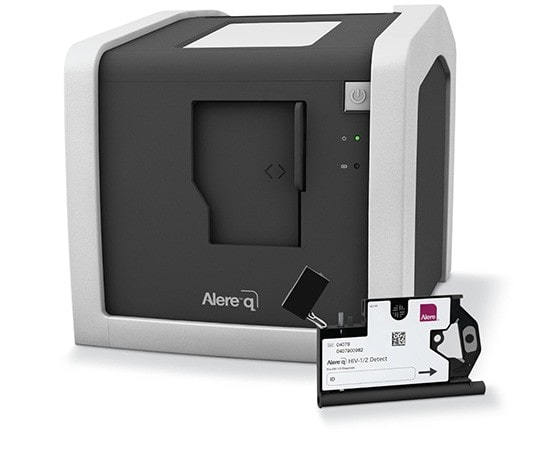
Adult patients suspected of HIV infection can be quickly diagnosed with rapid test kits, enabling them to immediately start antiretroviral treatment. However, infants, the most vulnerable demographic, do not have this same privilege. Rapid test kits are unreliable for infant diagnosis until they reach 18-months of age. [1] In place of rapid test kits, the World Health Organization (WHO) recommends early infant diagnosis (EID) through polymerase chain reaction (PCR) methods to detect the virus through its genetic material. [2] However, the complexities of this method resulted in high turnaround times and loss of follow-ups which hindered its efficacy in diagnosing infants, especially those living in the Sub-Saharan African region.[3] Using the PCR diagnostic method, only 50 percent of high-risk infants are tested with 50 percent receiving the results in time to start early treatment.[4] Without early diagnosis and treatment, half of infants with HIV die by age 2 years, with peak mortality around age 8–10 weeks. [6]
A study funded by the Bill and Melinda Gates Foundation in 2012 explored a proof-of-concept design for a point-of-care (POC) EID system.[5] The system consisted of a disposable assay card (almost the size of an inkjet cartridge) which is then fed into a benchtop analyzer. The research team designed the analyzer to be relatively inexpensive compared to the commercially available PCR machines. Furthermore, they also managed to reduce the cost of the assay card by fitting an onboard PCR reagent storage, PCR mix assembly, thermocycling, and fluorescence detection in a small footprint.[5] The team achieved this by using polypropylene materials for the majority of the components, further reducing fabrication cost. Among the critical components of the system is the exit port made from polypropylene membrane, which due to its hydrophobic nature, enables the release of gases while retaining the PCR reagent inside the assay chamber.[5]
In 2016, WHO prequalified two POC EID systems that were piloted and evaluated in eight sub-Saharan African countries with dramatic results.[1][3] With this new system, 98.3 percent of results were returned within the WHO-recommended time frame of 30 days (median turnaround of 0 days), compared to the 18.7 percent return rate using conventional EID systems (median turnaround of 55 days).[6][7] POC EID systems are now being scaled up across 15 countries in the African region together with relevant NGOs and foundations.[8] With the scale-ups showing favorable results, the next step is to expand access across all regions, eventually decreasing mortality in infants affected by HIV/AIDS.
References
[1] Mazzola, L.T., & Pérez-Casas, C. (2015). EID Technologies. HIV/AIDS Diagnostics Technology Landscape (pp. 47-66). Retrieved from https://unitaid.org/#en
[2] WHO. (2010). WHO Recommendations on the Diagnosis of HIV Infection in Infants and Children. Retrieved from https://www.who.int/
[3] World Health Organization. (2017 July). HIV Diagnostics: Novel Point-of-Care Tools for Early Infant Diagnosis of HIV. Retrieved from https://www.who.int/
[4] Schoenborn, T. (2018, September 10). Innovative diagnostic technology can save HIV-positive infants [Blog post]. Retrieved from https://clintonhealthaccess.org/
[5] Jangam, S.R., Agarwal, A.K., Sur, K., & Kelso, D.M. (2012). A point-of-care PCR test for HIV-1 detection in resource-limited settings. Biosensors and Bioelectronics, 42, 69-75.
[6] Bianchi, F., Cohn, J., Sacks, E., Bailey, R., Lemaire, J.F., & Machekano, R. (2019). Evaluation of a routine point-of-care intervention for early infant diagnosis of HIV: an observational study in eight African countries. The Lancet, 6(6), e373-e381. doi: 10.1016/S2352-3018(19)30033-5
[7] EGPAF. (2018, June). Point-of-Care Early Infant HIV Diagnosis [Issue Brief]. Retrieved from https://www.pedaids.org/
[8] EGPAF. (2018, October). Expanding Access to Point-of-Care Early Infant Diagnosis: Implementation Approaches and Testing Strategies. Retrieved from https://www.pedaids.org/
Alere™ q HIV-1/2 Detect [Online image]. Retrieved December 5, 2020 from https://www.alere.com/en/home/product-details/alere-q-hiv-12-detect.html


