
 Water and Fluid Separation News
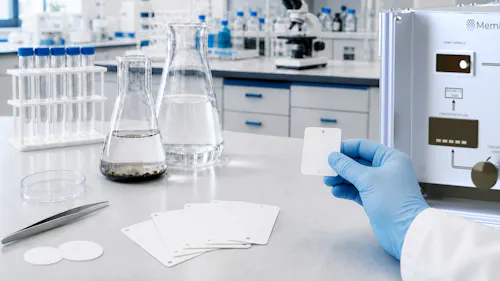
Understanding Membrane Performance for PFAS Removal
Perfluoroalkyl and polyfluoroalkyl substances (PFAS) have evolved from a niche environmental concern into a major regulatory priority [1]. Recent...
Read more →129 posts in this category
Water and Fluid Separation NewsPerfluoroalkyl and polyfluoroalkyl substances (PFAS) have evolved from a niche environmental concern into a major regulatory priority [1]. Recent...
Read more → Microbiology and Life Science News
Every year, Plastic Free July® encourages millions of people around the world to reduce plastic waste and become more mindful of its environmental...
Read more → Microbiology and Life Science News
Subvisible particulate contamination is a critical quality attribute for injectable pharmaceutical products. Even particles too small to be seen with...
Read more → Microbiology and Life Science News
The future of biomedical research is evolving rapidly. In 2026, the National Institutes of Health (NIH) announced a $150 million investment to advance...
Read more → Microbiology and Life Science News
Microbiological testing of water is not just a regulatory requirement – it is a direct safeguard for public health. When a membrane filter produces a...
Read more → Microbiology and Life Science News
This Earth Day, one environmental issue demands urgent attention from the scientific and filtration communities: the global rise of PFAS contamination...
Read more → Microbiology and Life Science News
Global plastic production now exceeds 460 million tons per year, and microplastics are now being detected everywhere from oceans to human tissue. In...
Read more → Microbiology and Life Science News
Microplastics are everywhere. Scientists have found them in the deepest ocean trenches, in Arctic ice, in agricultural soils, in drinking water, and...
Read more →We use cookies to improve our services, make personal offers, and enhance your experience. If you opt out of optional cookies below, your experience may be affected. If you want to know more, please, read the Cookie Policy