
Celebrate Oktoberfest 2022 with Non-alcoholic Beer
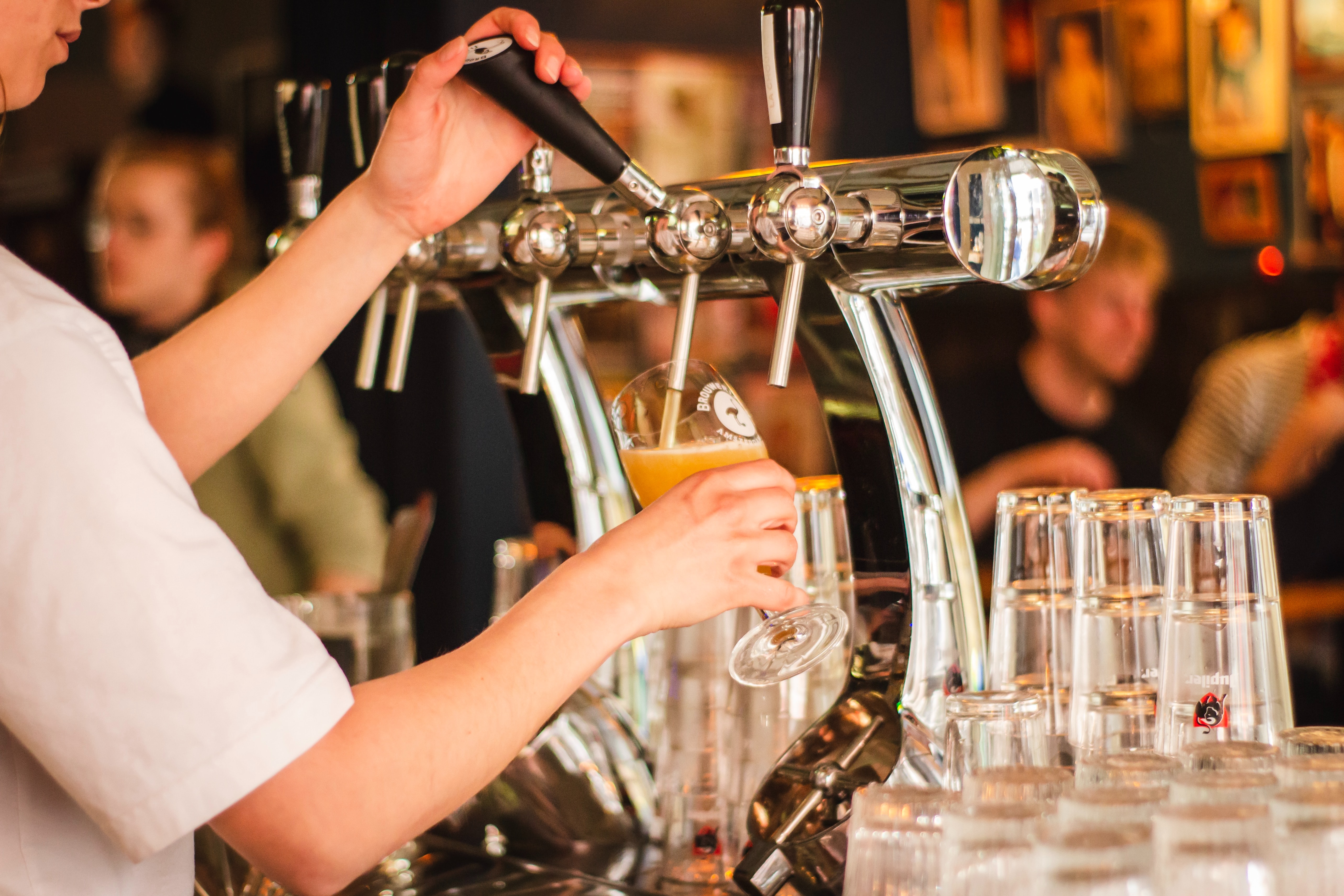
Oktoberfest is an annual beer festival held over the course of two weeks during September-October in Munich, Germany. Its origins date back to October 12, 1810, when the festival was first held to celebrate the marriage of Prince Louis of Bavaria, who later became King, to Princess Therese von Sachsen-Hildburghausen. Over the years, the festival has evolved to include an amusement park and fun-fair, food and drink stalls, and several large and lively beer halls, where much of the merry-making takes place.
The Oktoberfest is a huge attraction for both locals and tourists alike. More than six million revelers attend Oktoberfest each year, consuming more than 2 million gallons of beer during the two week event.
While the original Oktoberfest has its roots in Germany, the Oktoberfest is now celebrated in similar fashion in many cities across the US and other parts of the world. Much like the Munich beer festival, beer and Bavarian food are a hallmark of these celebrations
Celebrating with Non-alcoholic Alternatives
For those who would like to get in on the festivities without consuming alcohol, alcohol-free beer has been growing in popularity and accessibility. Interest in health, wellness, and all things in moderation continue to propel the sober curious movement and in turn demand for lower/no alcohol content beers. The global non-alcoholic beer market is predicted to reach $23.27 Billion in 2025, at a CAGR of 8.7%. Craft brewers and large breweries alike have been fine tuning the taste and texture of this attractive alternative.
The Basic Beer-Making Process
Non-alcoholic beer is brewed much like the alcoholic version. This involves combining four key ingredients: malted barley, water, hops and yeast. The malted barley is added to hot water to extract the sugars and form a wort — a process known as mashing. Hops are then added to the wort and brought to the boil. Once the wort has cooled, yeast is added, which starts the fermentation process. During fermentation, the yeast converts the sugars in the wort into alcohol, producing byproducts such as carbon dioxide and flavor-adding compounds. Non-alcoholic beer can be produced by using one or a combination of the following methods:
- Fermentation free
- Limited fermentation
- Dilution
- Dealcoholization
Dealcoholization through Reverse Osmosis
Once the beer has been brewed, the alcohol component can be removed using reverse osmosis (RO) technology, where beer is forced through a membrane under high pressure. The membrane retains larger molecules in the beer, including those responsible for giving beer its flavor, but lets smaller alcohol and water molecules pass through, leaving a concentrated beer retentate. The alcohol can then be removed from the water using distillation or some other separation method, before the water is added back to the concentrated beer. Alternatively, pure water can be added to the retentate to dilute the concentrated beer, but this is likely to result in undesirable changes to the flavor and character of the beer.
Filtration is the Key to a perfect Brew
To create the perfect beer, you need to ensure all impurities are kept to a minimum, as contamination can spoil the brew. Microbiological Filter Funnels containing a gridded cellulose nitrate membrane can be used for quality control purposes to test the bacterial load of beer ( as well as wine, drinking water, and other beverages). Disposable filters come pre-sterilized and ready for use, resulting in time savings of up to 70%! They can serve as both a filter funnel to remove bacteria and as a petri dish for closer microbiological analysis. Vacuum filtration kits fitted with sterile Mixed Cellulose Esters (MCE) membrane filters are an alternative, reusable option.
Now sit back, sip, and savor.
Sources
Encyclopedia Britannica: Oktoberfest
Steady Drinker: How non-alcoholic beer is made
Alcohol-Free Beer: Methods of Production Sensorial Defects and Healthful Effects


