
The Evolution and Impact of Pasteurization
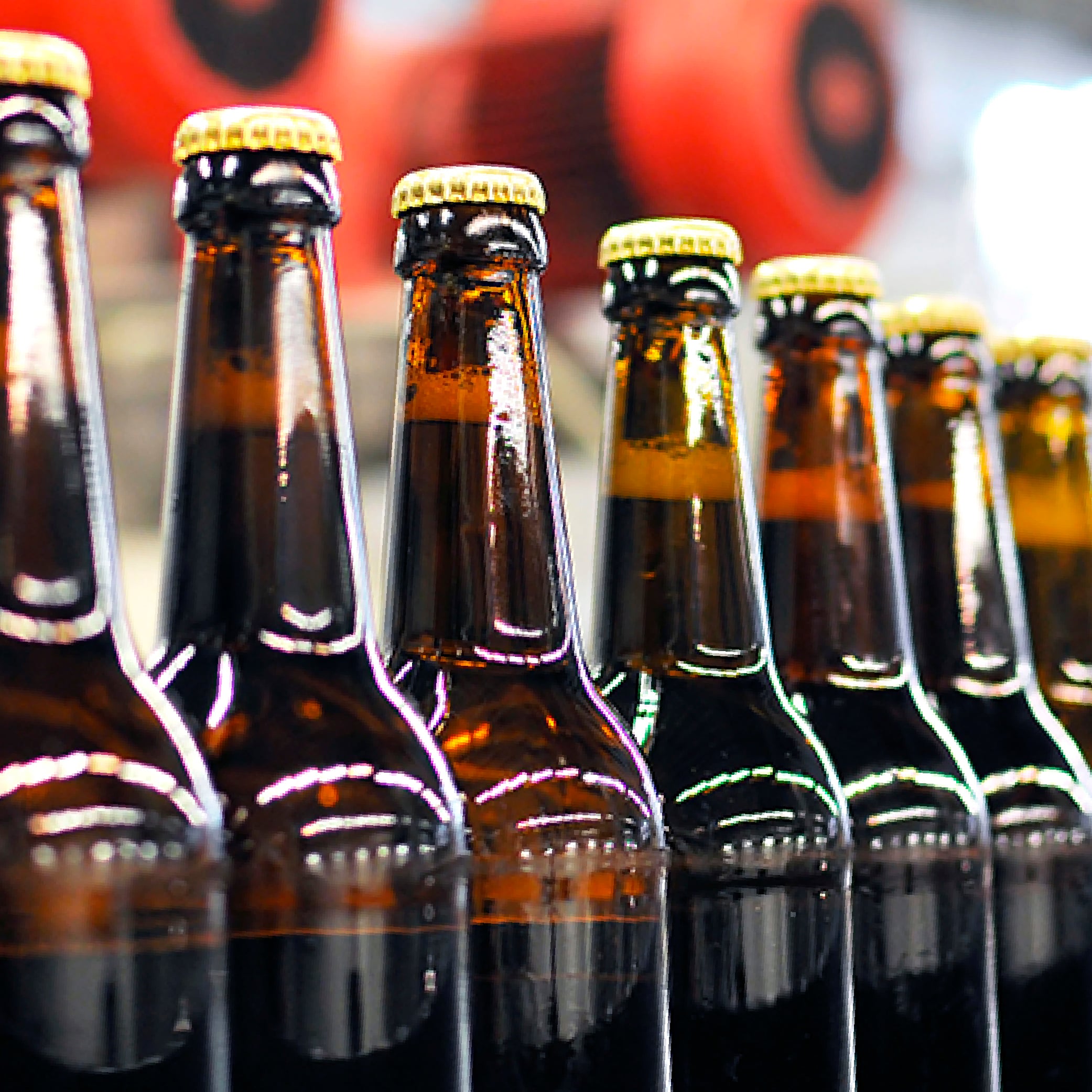
In July 1873, Louis Pasteur was granted a patent for the manufacture of beer and the treatment of yeast, a pivotal moment that would eventually lead to his groundbreaking discovery of pasteurization. This process has since revolutionized various industries, particularly in ensuring the safety and longevity of consumable products.[1]
The Process of Pasteurization
Pasteurization involves heating liquids to a specific temperature for a set period to kill harmful microorganisms without compromising the nutritional value or taste.[1][2] The process typically involves the following steps:
- Heating: The liquid is heated to a temperature of around 63°C (145°F) for about 30 minutes (known as the batch method) or to 72°C (161°F) for at least 15 seconds (known as the high-temperature short-time (HTST) method).
- Holding: The liquid is maintained at the target temperature for the designated period to ensure the destruction of pathogenic microorganisms.
- Cooling: The liquid is rapidly cooled to a temperature below 10°C (50°F) to prevent any remaining bacteria from multiplying.
Products and Equipment Used
Various specialized products and equipment are essential for the pasteurization process:
- Pasteurizers: These machines are specifically designed to heat and cool liquids efficiently. They come in various forms, such as batch pasteurizers and continuous flow pasteurizers, depending on the production scale and type of product.
- Heat Exchangers: These are used to transfer heat from one medium to another, ensuring efficient heating and cooling during the pasteurization process.
- Thermometers and Controllers: Precise temperature control is crucial in pasteurization. High-quality thermometers and automated controllers ensure that the liquids reach and maintain the necessary temperatures.
- Microfiltration Units: In some cases, microfiltration is used in conjunction with pasteurization to remove additional microorganisms and particulate matter from the liquids, providing an extra layer of safety and quality.
- Microbiological Funnels: These are used in the laboratory setting to filter out microorganisms from samples before and after pasteurization. By using microbiological funnels, researchers can test the effectiveness of pasteurization by analyzing the microbial content in liquid samples, ensuring that the process has successfully eliminated harmful bacteria.
Products and Applications
Pasteurization is most commonly associated with the dairy industry, where it is used to treat milk and other dairy products such as cheese, yogurt, and cream.[2][3] However, its applications extend far beyond dairy:
- Beverages: Juices, beer, and wine are pasteurized to enhance shelf life and ensure safety.
- Egg Products: Liquid eggs are pasteurized to prevent the risk of salmonella.
- Canned Foods: Many canned foods undergo pasteurization to kill bacteria and extend their shelf life.
- Pharmaceuticals and Cosmetics: Some products in these industries are pasteurized to maintain sterility and safety.
The pasteurization process is vital across various industries, particularly in food and beverage, pharmaceuticals, and cosmetics. For the scientific community, the process's significance extends to research and development, where maintaining the integrity and safety of samples is paramount. The precision and reliability of pasteurization make it an indispensable technique in laboratories and production facilities worldwide.[3][4]
Historical Tidbits About Pasteurization
- Early Experiments: Before Louis Pasteur's formal development of pasteurization, ancient civilizations used rudimentary forms of heat treatment. The Chinese, Egyptians, and Romans would heat wine to improve its shelf life, unknowingly laying the groundwork for modern pasteurization techniques.[1]
- Wine Spoilage Issues: Pasteur's interest in heat treatment began with his work on wine spoilage. In the 1860s, he was asked by Napoleon III to investigate why French wines were spoiling. Pasteur discovered that heating the wine to a specific temperature killed the spoilage-causing bacteria without affecting the wine's quality, leading to the broader application of the technique to other liquids.[1]
- Pasteur vs. Spontaneous Generation: Pasteur's work on pasteurization was closely tied to his efforts to disprove the theory of spontaneous generation—the idea that life could arise from non-living matter. His experiments with heat treatment provided strong evidence that microorganisms were the cause of spoilage and disease, not spontaneous generation.[1]
- Impact on Public Health: Pasteurization had a profound impact on public health. Before its widespread adoption, diseases such as tuberculosis, brucellosis, and diphtheria were commonly transmitted through raw milk. The implementation of pasteurization in the early 20th century dramatically reduced the incidence of these diseases, saving countless lives.[4]
- U.S. Milk Pasteurization: In the United States, the first laws mandating milk pasteurization were enacted in Chicago in 1908, following severe outbreaks of milk-borne illnesses. These regulations quickly spread to other cities and states, leading to the near-universal pasteurization of milk in the country.[5]
- Advancements in Technology: Over the years, pasteurization technology has advanced significantly. The development of the high-temperature short-time (HTST) method and ultra-high temperature (UHT) pasteurization has made the process faster and more efficient, allowing for mass production and longer shelf life of various products. [3][4]
- Beyond Food and Drink: While pasteurization is most commonly associated with food and beverages, its principles are also applied in other fields. For example, the technique is used in the preparation of pharmaceuticals, ensuring the sterility of medicines and vaccines, and in cosmetics, where it helps prevent contamination and spoilage of beauty products.[3][4]
References
- Patenting of the Process - "Louis Pasteur's Patent for the Manufacture of Beer and Treatment of Yeast" (July 1873).
- Development of Pasteurization - "The Evolution of Pasteurization and Its Impact on Food Safety," Journal of Food Science, 2020.
- Modern Applications - "Pasteurization Techniques in the 21st Century," International Journal of Dairy Technology, 2021.
- Scientific Significance - "The Role of Pasteurization in Modern Laboratories," Journal of Laboratory Science, 2022.
- Pure Milk Is Better Than Purified Milk - "Pasteurization and Milk Purity in Chicago, 1908-1916”, A Czaplicki, 2007


