
Oleophobic Vent Membranes for Electronics and Automotive Protection

Oleophobic defines a material with either an innate resistance or a special surface treatment to resist wicking of low surface tension liquids. Derived from the Greek words oleum (oil) and phobos (fear), oleophobic literally means “oil-fearing”, these materials repel oil and oil-like substances, making them essential for protecting sensitive components. One way to determine a material’s oleophobic property is by observing how a liquid droplet beads on the surface—the wider the contact angle, the greater the resistance to wetting.
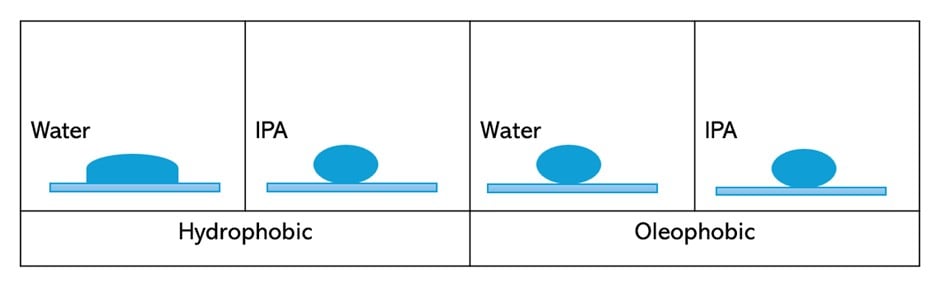
Image 1: wicking property of hydrophobic and hydrophilic membrane
For a more quantitative assessment, the AATCC test method 118 is commonly used. This testing method determines the lowest surface tension required for a liquid to wet a material. The rating uses a scale of 1 to 8 with a higher rating indicating a better oleophobic property.
| AATCC Oil Repellency Grade Number | Composition |
|
1 |
Mineral oil |
|
2 |
Mineral oil in n-hexadecane (65:35) |
|
3 |
n-hexadecane |
|
4 |
n-tetradecane |
|
5 |
n-dodecane |
|
6 |
n-decane |
|
7 |
n-octane |
|
8 |
n-heptane |
Reference: Table 1 – Standard test Liquids, AATCC TM 118-2020e, AATCC Manual of International Test Methods and Procedures/2022 p. 220
The Importance of Oleophobic Membranes
Oleophobic membranes play a significant role in the automotive industry by preventing moisture ingress in critical electrical components while still maintaining ideal air flow. For example, using Aspire Laminated ePTFE Membranes in electrical components such as automotive lighting, outdoor electronics, and EV batteries prevents moisture intrusion without compromising breathability (air permeability). This ensures heat dissipation, prevents overheating, and safeguards sensitive electronics from environmental damage.
Key Specifications Beyond Oleophobic Rating
When selecting protective membranes for electronic applications, consider:
- Airflow – Ensures proper ventilation and thermal management
- Pore Size – Impacts filtration and permeability
- Pressure Drop – Affects system efficiency
- Water Entry Pressure (WEP) – Determines resistance to liquid penetration
Selecting the right oleophobic material is crucial for performance and reliability. Ask An Expert today to identify the best solution for your electronic device integration needs.
References:
Standard test Liquids, AATCC TM 118-2020e, AATCC Manual of International Test Methods and Procedures/2022 p. 220
Ratnasinghe, L., Mitra, S., & Lanza, E. (2016). Commercial applications of oleophobic and superoleophobic membranes. In Advanced Materials: TechConnect Briefs 2016 (pp. 261-264). TechConnect.org.


