Is a Peristaltic Pump Right for Your Application?

When it comes to fluid transfer, choosing the right pump can significantly impact your workflow efficiency and experimental accuracy. This article will explore the key features, differences, and ideal applications for each type.
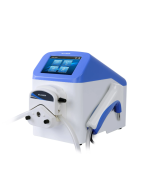
Peristaltic Pumps: Peristaltic pumps operate by using a rotating mechanism to squeeze a flexible tube against a roller. This action creates a pulsating flow that propels the fluid forward. As the rollers rotate, the liquid is pushed out, effectively transporting the fluid. The tight fit between the tubing and rollers ensures that there is no backflow or siphoning when the pump stops.
Key Features
Gentle Fluid Handling: The pulsating action minimizes shear stress on the fluid, making them ideal for delicate samples like biological fluids or cell suspensions.
No Contamination Risk: Since the fluid never comes into direct contact with the pump's internal components, the risk of contamination is significantly reduced.
Versatile Tubing Options: A wide range of tubing materials (e.g., silicone, PTFE) can be used, allowing for compatibility with various chemicals and temperatures.
Self-Priming: Peristaltic pumps can easily handle air pockets and start pumping immediately.
Easy Maintenance: Tubing replacement is typically te only maintenance required.
Flexible Operation: Interchangeable pump heads and reversible operation.
Applications
Pharmaceutical Research: Drug delivery, cell culture media transfer, and analytical chemistry.
Biotechnology: Cell culture, fermentation processes, and protein purification.
Chemical Processing: Transferring corrosive or abrasive chemicals.
Environmental Monitoring: Sampling and analysis of water and wastewater.
Laboratory Reagent Distribution: Precise reagent and buffer distribution.
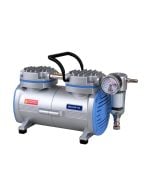
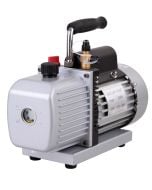
Other Pumps: Other pumps, such as centrifugal or diaphragm pumps, utilize different mechanisms to move fluids.
Key Features
- High Flow Rates: Typically capable of achieving higher flow rates compared to peristaltic pumps.
- Higher Pressure Capabilities: Suitable for applications requiring higher pressure for fluid transfer.
- Wide Range of Applications: Can handle a variety of fluids and flow rates.
Applications
- Chemical Processing: Large-scale chemical transfers and industrial applications.
- Water Treatment: Pumping water and wastewater.
- HVAC Systems: Circulating fluids in heating and cooling systems.
Choosing the Right Pump
The choice between a peristaltic pump or other pumps depends on the specific requirements of your application. Consider the following factors:
Fluid properties: Viscosity, corrosiveness, shear sensitivity.
Flow rate requirements: Desired flow rate and pressure.
Contamination risk: Importance of minimizing contamination.
Budget and maintenance considerations: Cost of the pump, tubing, and maintenance requirements.