
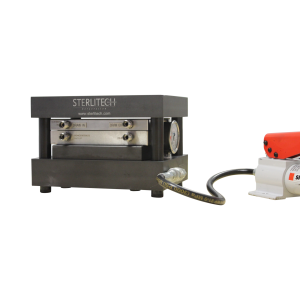
Sepa, Forward Osmosis (FO) Style System, 316 SS
 Powered by Bioz
Specifications by Material:
| Product Family | Innovator | Explorer | Developer | |||||||||
|
|
|
|
|
|
|
|
|
|
|
|
|
|
|---|---|---|---|---|---|---|---|---|---|---|---|---|
|
Material |
Acetal (Delrin) |
316 Stainless Steel |
Virgin PTFE |
Acrylic |
Acetal (Delrin) |
316 Stainless Steel |
Virgin PTFE |
Acrylic |
Hastelloy™ |
316 Stainless Steel |
Acrylic |
Hastelloy™ |
|
Maximum Bolts Torque Setting (in-lbs) |
60 |
NA |
15 |
45 |
60 |
NA |
15 |
45 |
70 |
NA |
45 |
70 |
|
Maximum Fittings Torque Setting (in-lbs) |
25 |
25 |
25 |
25 |
25 |
25 |
25 |
25 |
25 |
25 |
25 |
25 |
|
Max Pressure |
69 bar |
69 bar |
27.6 bar |
27.6 bar |
69 bar |
69 bar |
27.6 bar |
27.6 bar |
69 bar |
69 bar |
15.2 bar |
69 bar |
|
Max Temperature |
82°C |
150°C |
260°C |
88°C |
82°C |
150°C |
260°C |
88°C |
150°C |
150°C |
88°C |
150°C |
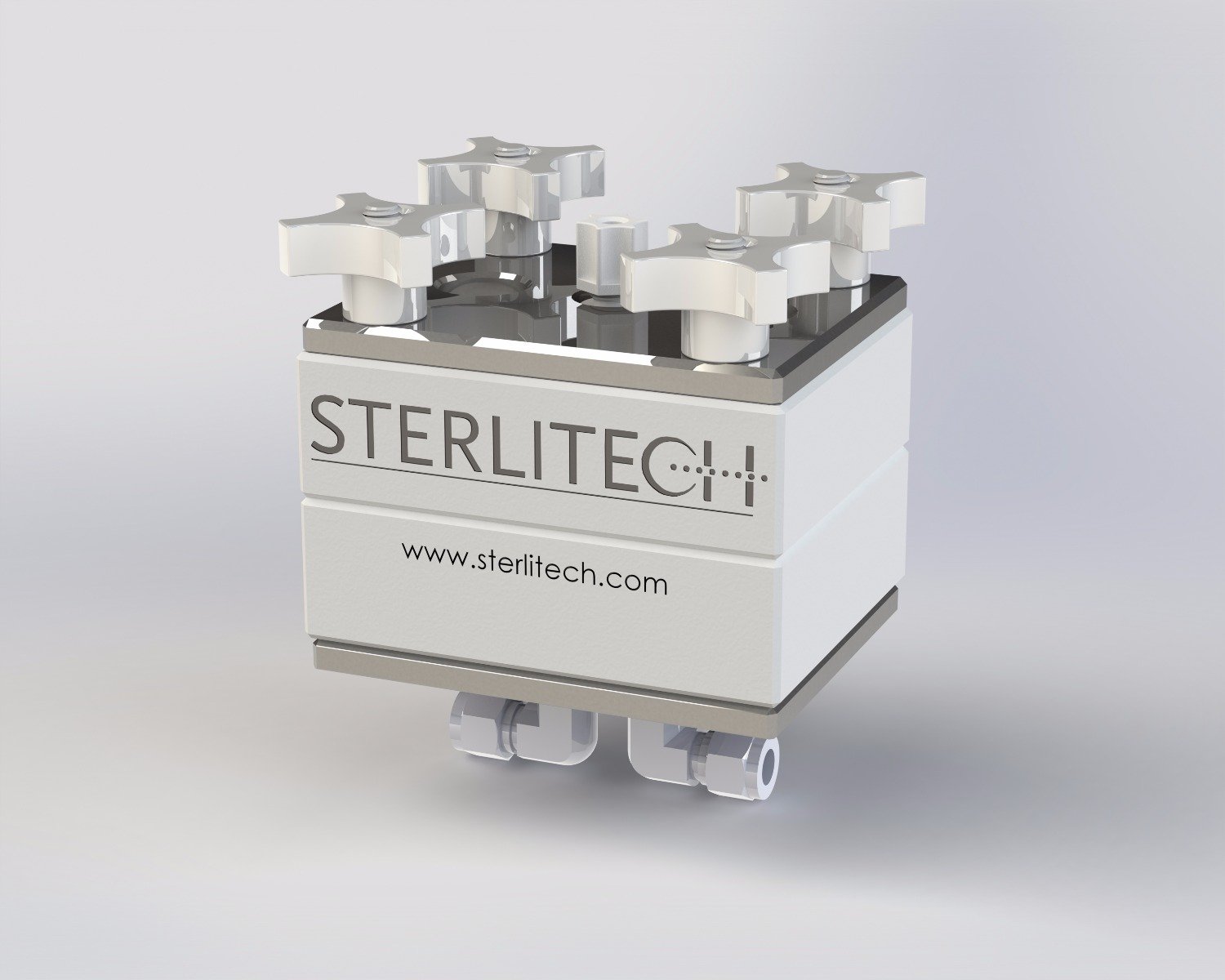
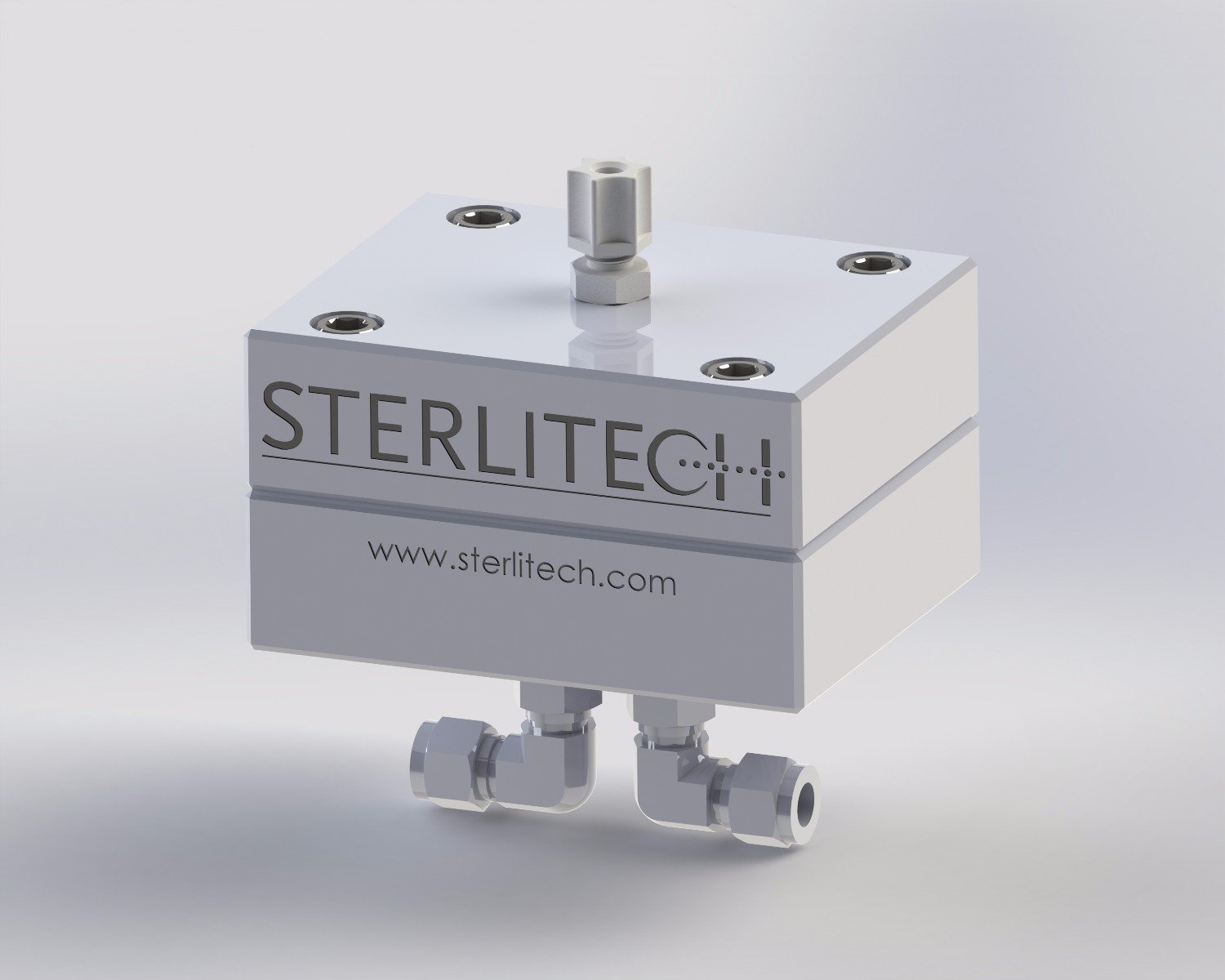
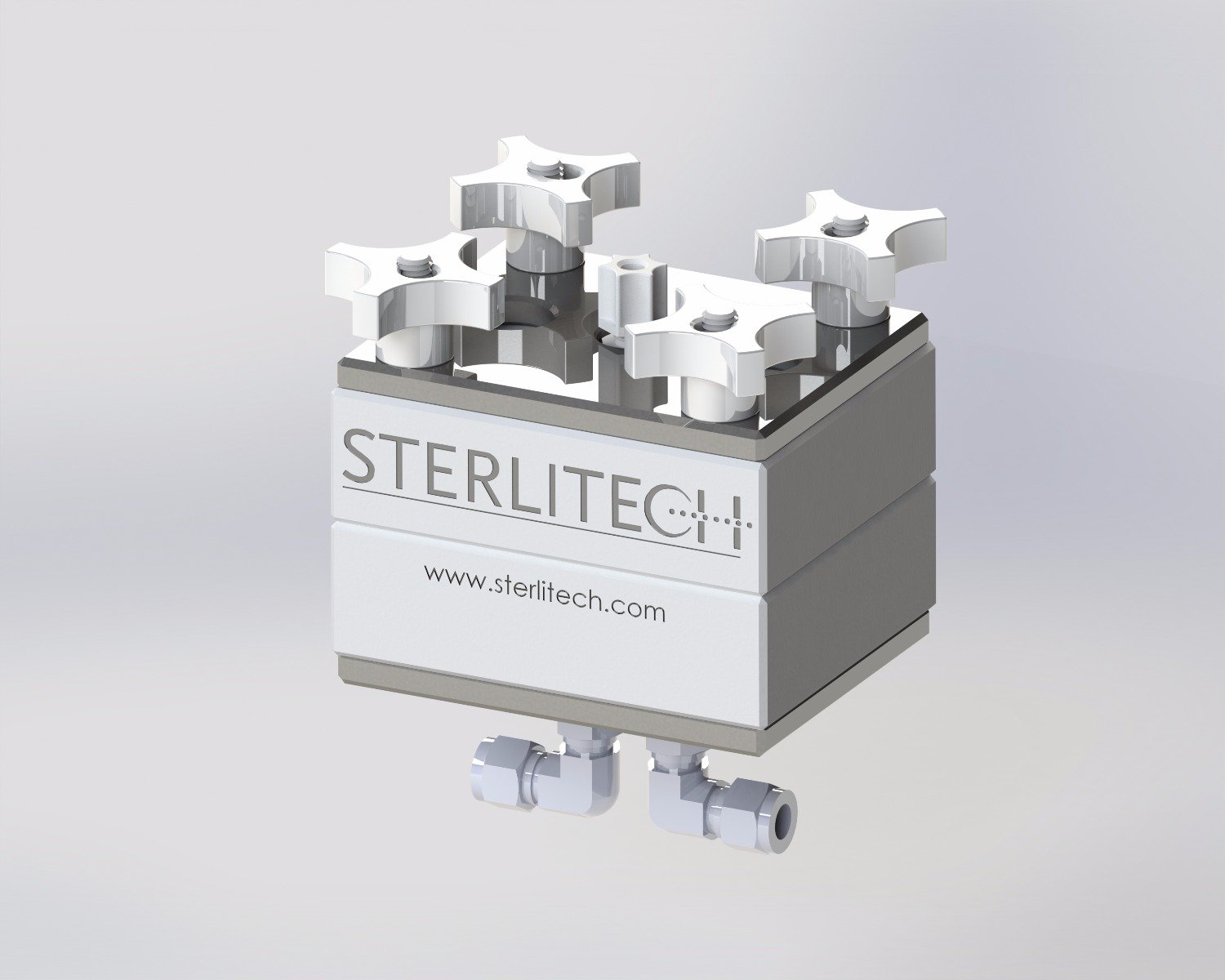
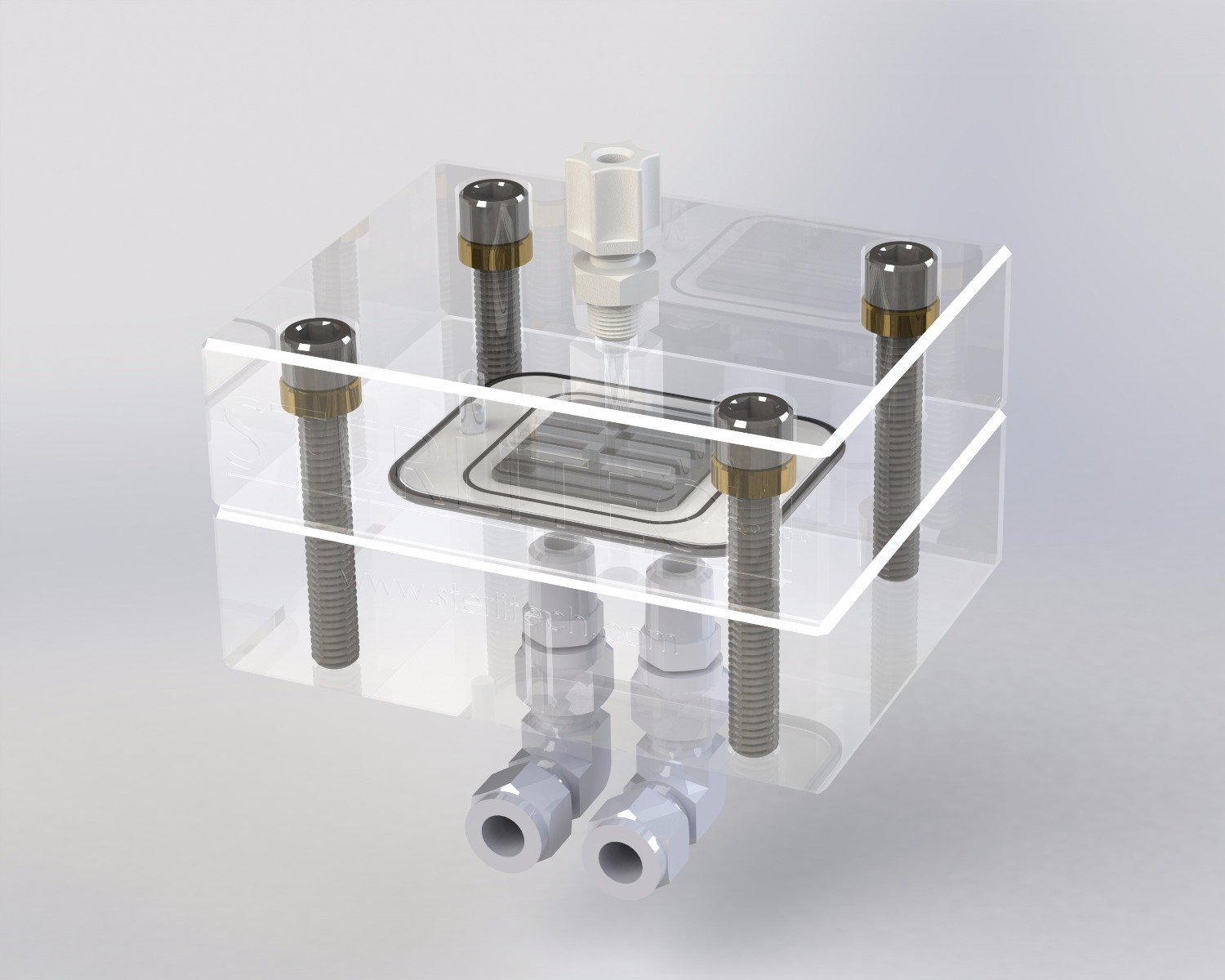
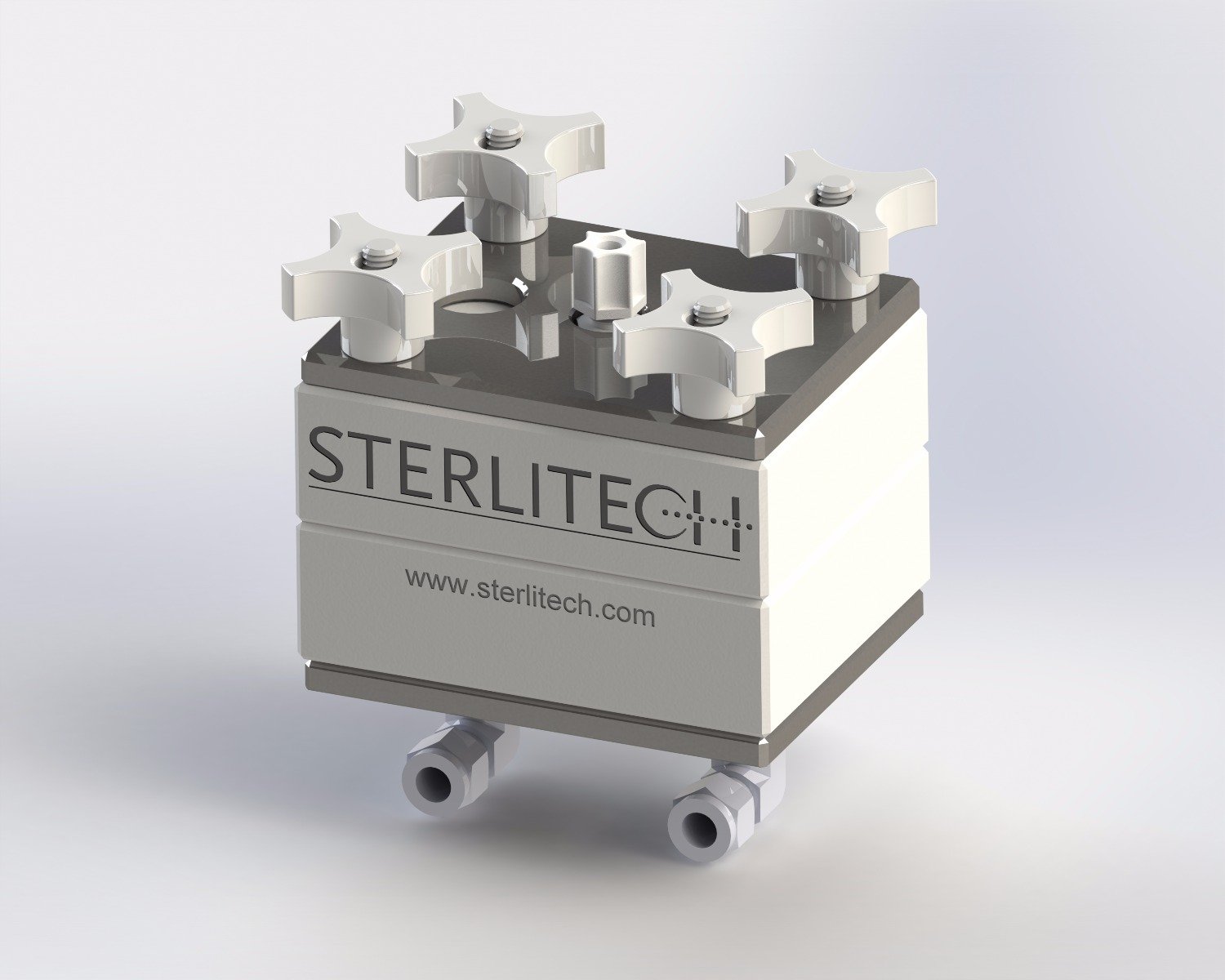
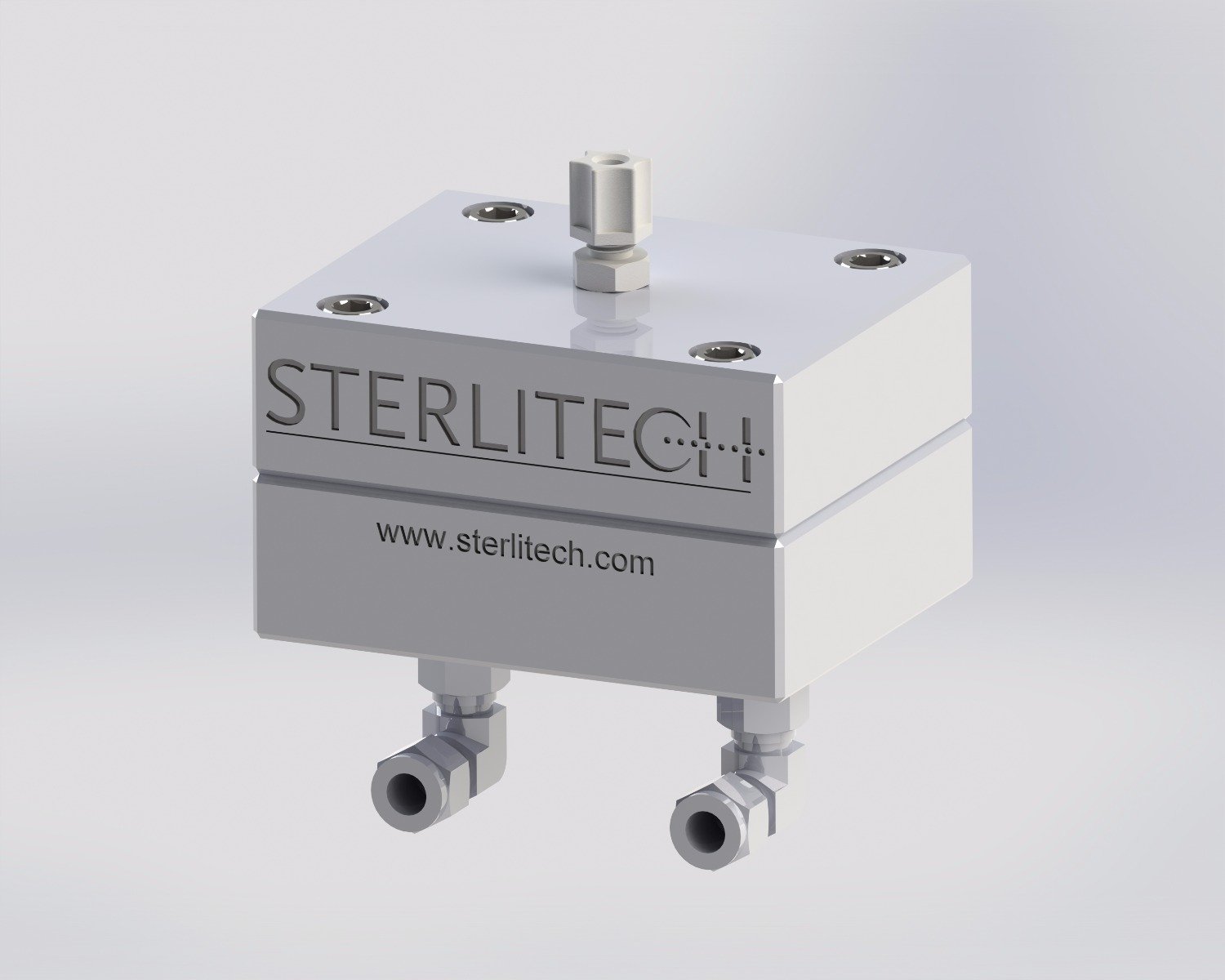
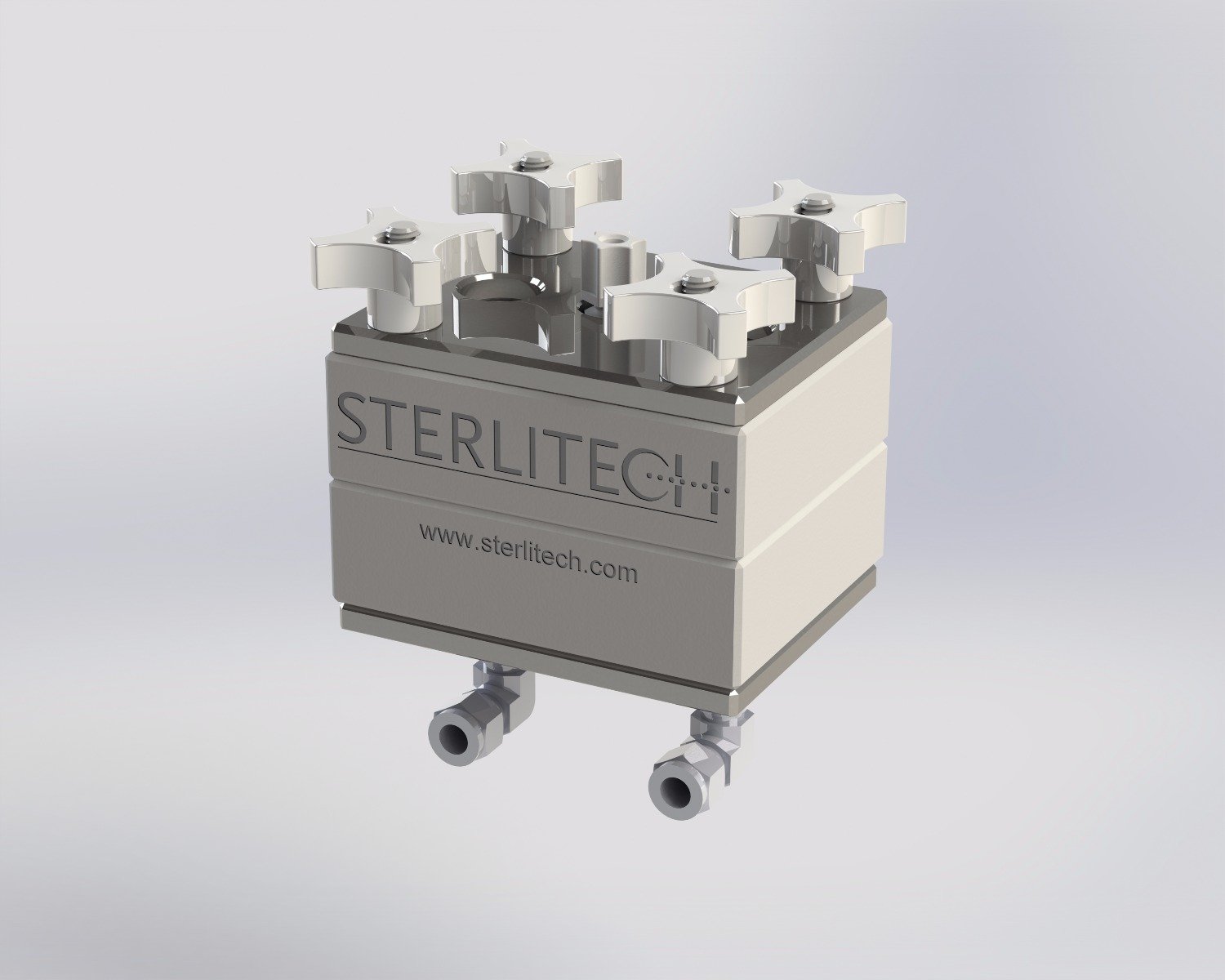
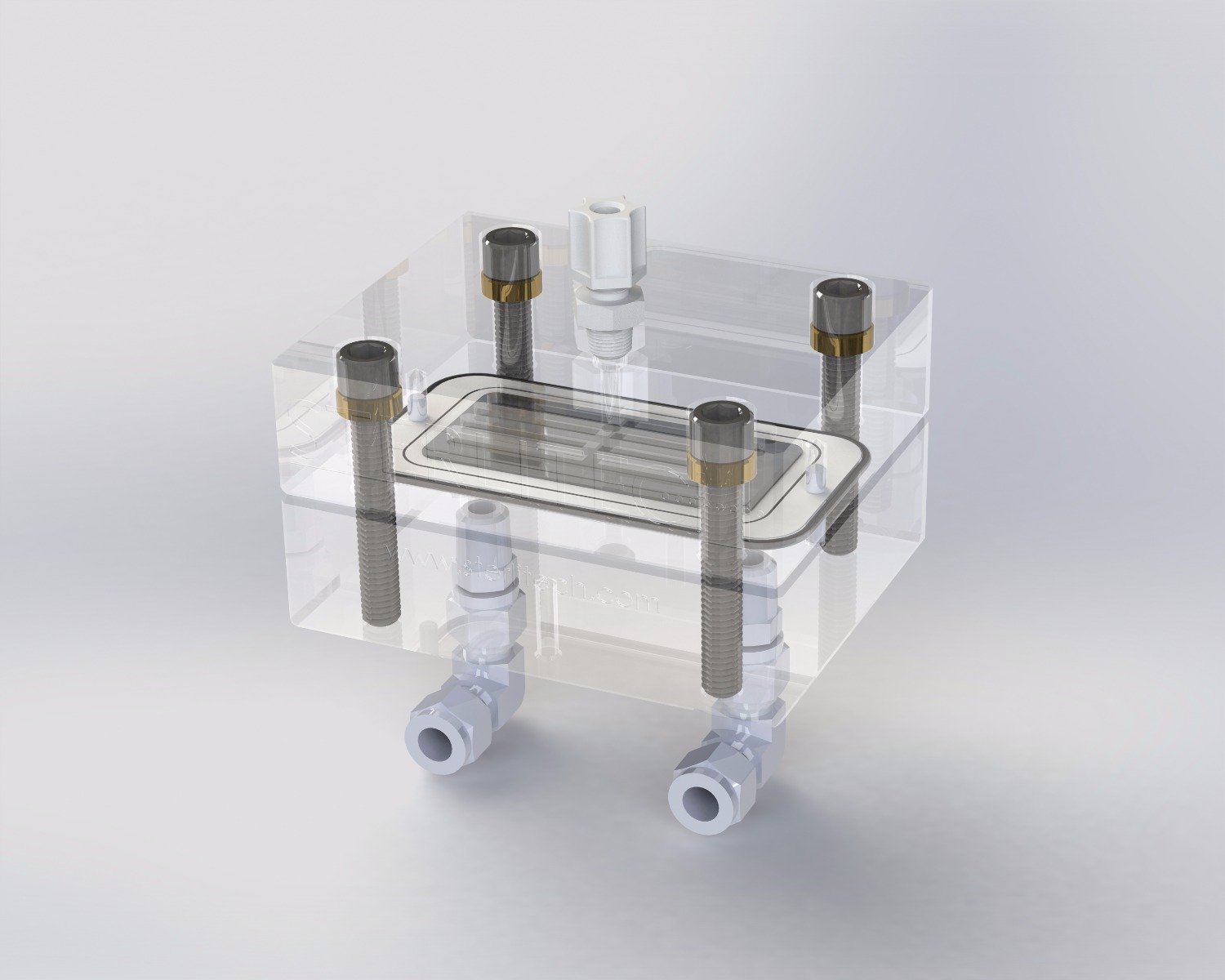
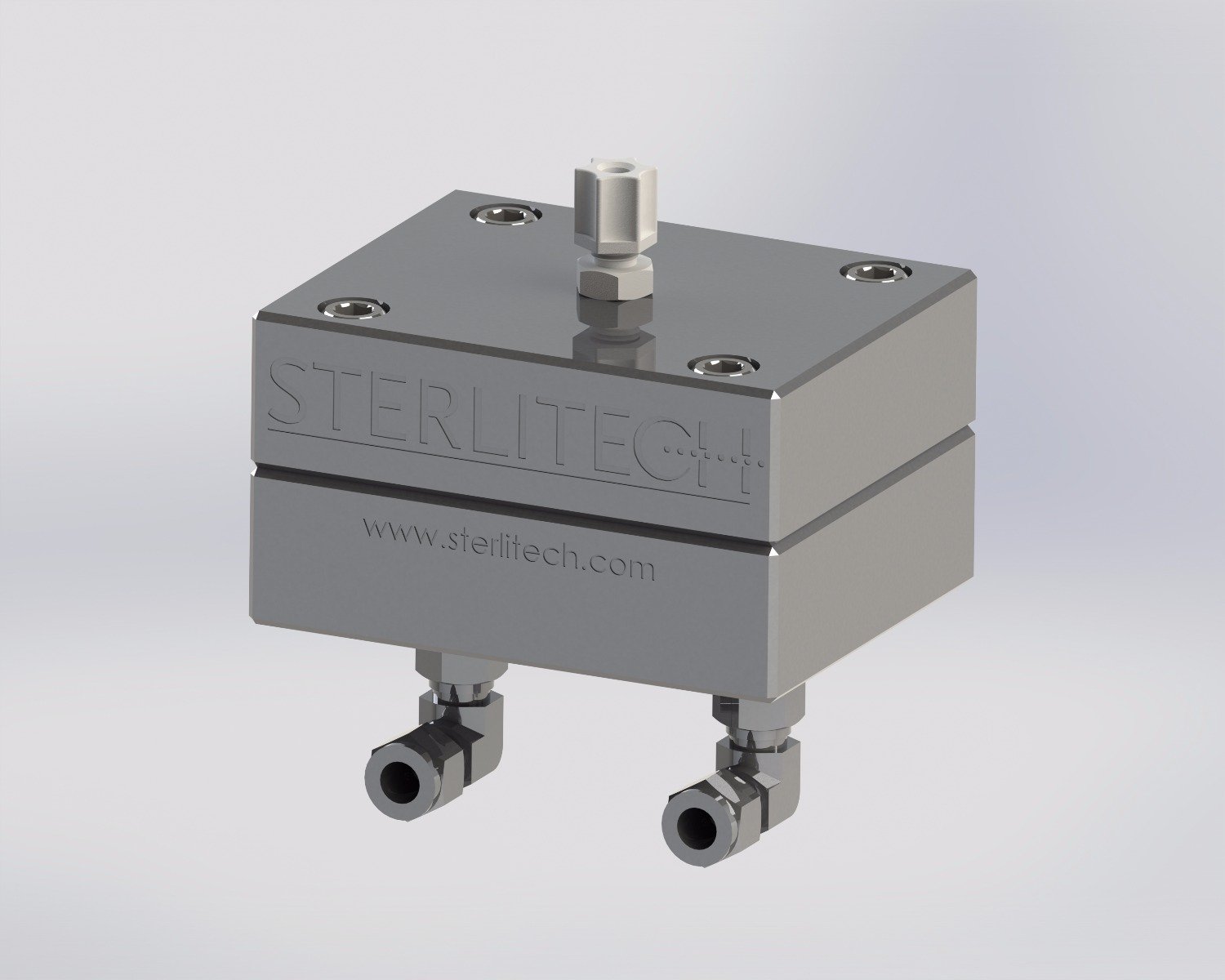
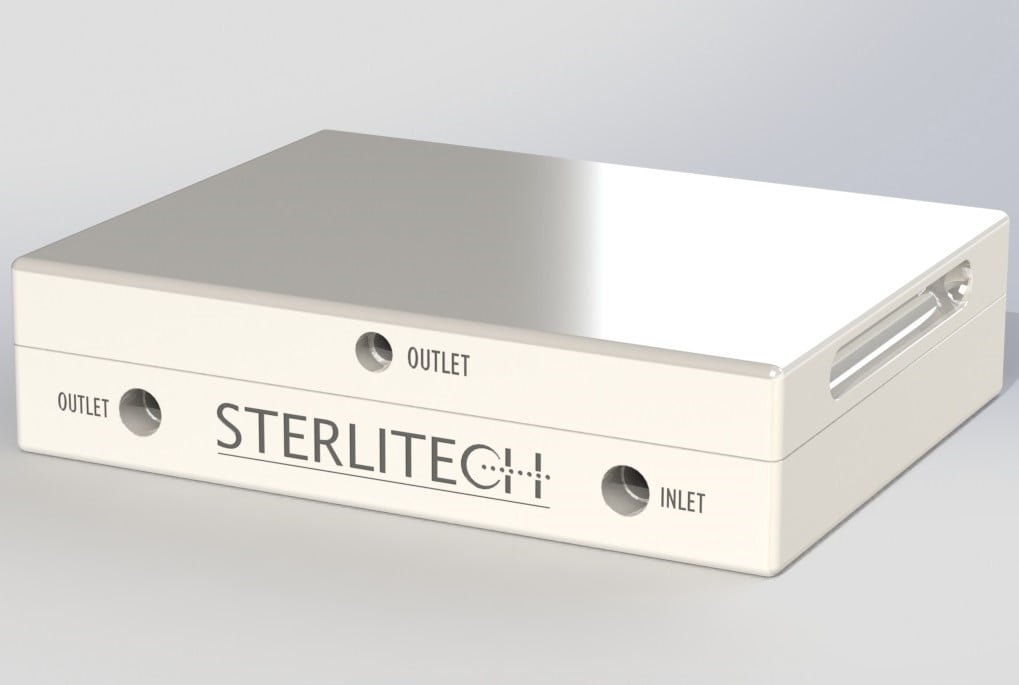
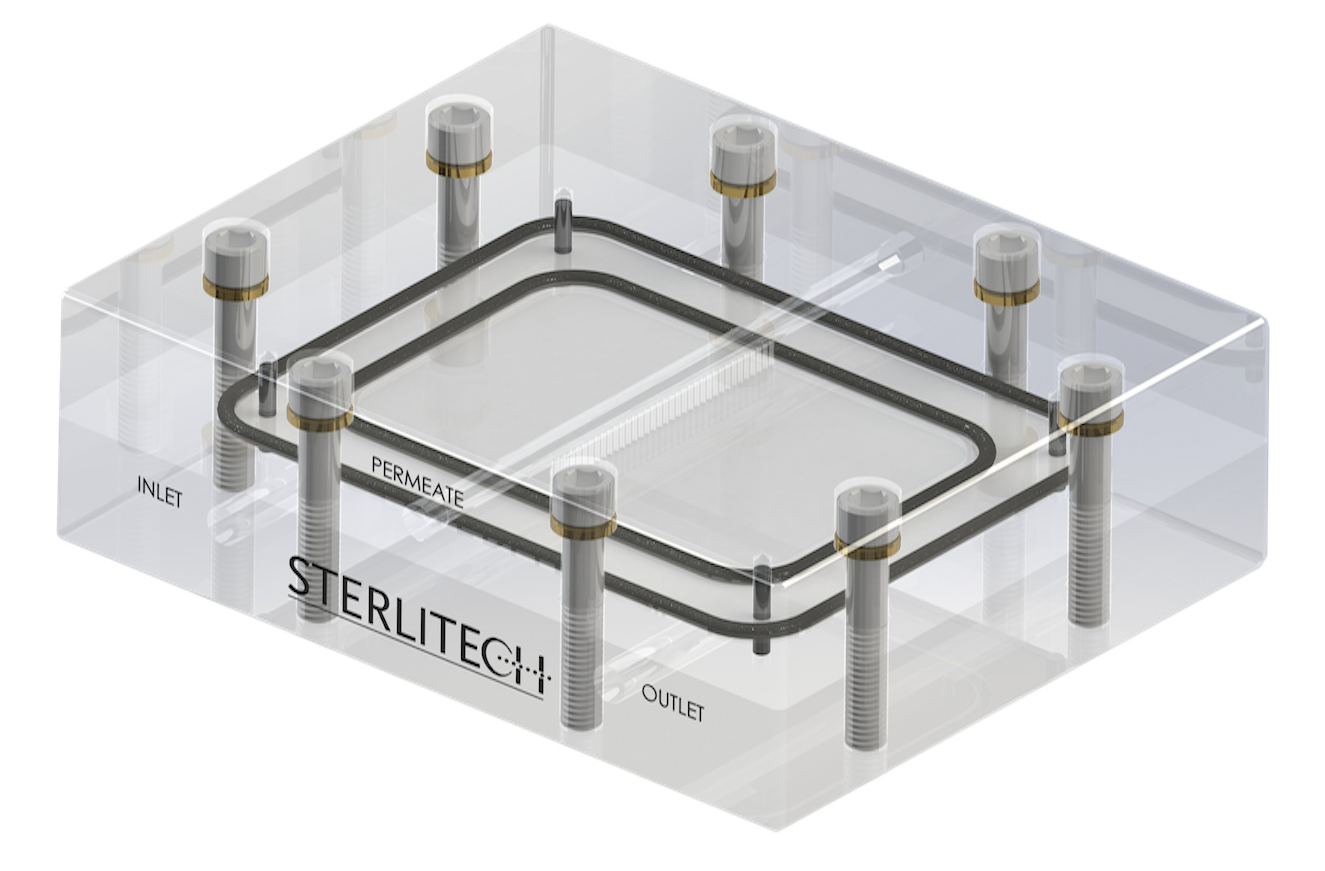
General FO Cell Specifications:
| CF016-FO | CF042-FO | Sepa FO | |
|---|---|---|---|
| Active Membrane Area | 20.6 cm2 (3.2 in2) | 42 cm2 (6.5 in2) | 140 cm2 (22 in2) |
| Hold-Up Vol. | 13 mL (0.44 oz) | 17 mL (0.57 oz) | 70 mL (2.4 oz) |
Connections |
Feed:1/4 in FNPT (base of cell) Draw Solute:1/4 in FNPT (top of cell) |
Feed:1/4 in FNPT (base of cell) Draw Solute:1/4 in FNPT (top of cell) |
Feed:1/4 in FNPT (base of cell) Draw Solute:1/4 in FNPT (top of cell) |
| Outer Dimensions | 12.7 x 10 x 8.3 cm (5 x 4 x 3.25 in) | 12.7 x 10 x 8.3 cm (5 x 4 x 3.25 in) | 16.51 x 21.3 x 5 cm (6.5 x 8.38 x 2.07 in) |
| Active Area Dimensions | 4.52 x 4.52 cm (1.78 x 1.78 in) | 9.207 x 4.572 cm (3.625 x 1.8 in) | 9.7 x 14.7 cm (3.81 x 5.78 in) |
| Slot Depth | 0.23 cm (0.09 in) | 0.23 cm (0.09 in) | 0.19 cm (0.075 in) |
| Below is a animated diagram demonstrating how the Sepa FO cell works: | Forward Osmosis Bench-top Filtration System |
|---|---|
|
|
|
Applications
Forward Osmosis technology is most commonly used for an array of wastewater recycling and water reclamation applications. Areas in which an FO cell may be used include:
- Water reclamation from oil and gas exploration
- Landfill wastewater
- Alternative energy/biogas wastewater
- Medical/dental wastewater
- Membrane bioreactors
- Seawater desalination
- Radioactive wastewater
- Carpet manufacturing wastewater
- Pressure Retarded Osmosis (PRO) to generate electricity
Other uses for Forward Osmosis Cells:
- Pretreatment for Reverse Osmosis procedure
- Concentrating juices (grape juice to wine, tomato paste)
- Pharmaceuticals
- Nutraceuticals

Check out other related products below!



 Frequently Asked Questions
Q: Why is the flat sheet membrane I'm using measuring a flux value less than the published flux value?
Flow characteristics for a spiral element and flat sheet membrane are significantly different and are really only comparable on a qualitative basis. Variability in the membrane manufacturing process, differences in water composition, test procedures, and test equipment, used in a factory, laboratory, or elsewhere, will impact water flux results.
Reference: Understanding Variation of Experimental Flux and Rejection
Q: What is the recommended flow rate for the CF cells?
lease refer to the following diagram to examine recommended feed flow rates for the crossflow cell you are working with.
Q: How do I store used forward osmosis (FO) flat sheet membranes?
Q: What is the application of feed spacer?
Feed spacers are used to mimic the hydrodynamic conditions of large-scale membrane modules by changing the flow regime and creating turbulence inside the feed channel of our membrane test cells.
For more information on feed spacers incorporated into our test cells, please visit here.
Q: How do I store new forward osmosis (FO) flat sheet membranes?
Q: What is the thickness of feed spacers (17, 31, 47, and 65 mil diamond spacers)?
The “mil” measurement represents 1/1000th of an inch. Therefore, the thicknesses are 0.017, 0.031, 0.047, 0.065 inches (17, 31, 47, and 65 mil, accordingly).
Q: What is the application of permeate carriers?
Permeate carriers, also known as “permeate water carriers” are aids that are installed between two layers of the flat sheet membranes in a spiral wound element. The main application of this collection layer is to prevent the membrane layers from closing in on each other under high-pressure operations and also facilitate the collection of permeate water.
Q: My pressure regulator valve is clogged and it fails to adjust the flow as expected.
Product: Flow/pressure regulator valves: 1149421/1149428/1149427
Q: My pressure regulator valve is clogged and it fails to adjust the flow as expected.
A: The valve should be disassembled and cleaned with pressurized air.
Q: Can I use a foulant spacer that is thicker than the test cell feed channel?
No, you cannot use a foulant spacer that is thicker than the test cell feed channel as it may cause damage to the membrane.
Q: Can I use a foulant spacer that is thinner than the test cell feed channel?
Yes, you can use a foulant spacer that is thinner than the test cell feed channel. To do so, you should install a shim, or combination of shims, in the bottom of the feed channel below the foulant spacer so that the combined thickness of the shim(s) and foulant spacer is equal to, or slight less than, the depth of the feed channel.
Q: Can I reuse flat sheet membranes after they have been removed from a crossflow test cell?
Yes, you may attempt to reuse flat sheet membranes. However, you may find it difficult to achieve a leak free seal. The cell body o-rings necessarily compress the membrane during installation and the physical action of separating the membrane from the o-rings during removal may cause damage. This damage can impede that ability to achieve a leak free seal when the membrane is reused.
Q: How do I install/remove permeate fittings or other plastic NPT fittings?
Sterlitech recommends to install all plastic fittings by hand using PTFE tape. If a plastic NPT or compression fitting starts to leak during operational testing, tighten the fitting carefully until the leaking stops. Excessive tightening may break the fitting or damage other components.
If the fittings is broken and stuck in the cell top, use a spiral flute extractor bit or similar tool to release the portion of the fitting in the cell top. If the cell top becomes cracked from removal efforts, a replacement can be purchased.
Q: What is the proper orientation for installing flat sheet membranes in the crossflow test cells?
For supported crossflow membranes, the membrane active side (smooth side) should be facing the feed stream and the support side (rough side) should be facing the permeate stream. For the Sterlitech Sepa CF, CF042, and CF016 test cells, the membrane side (smooth side) would face down toward the feed stream.
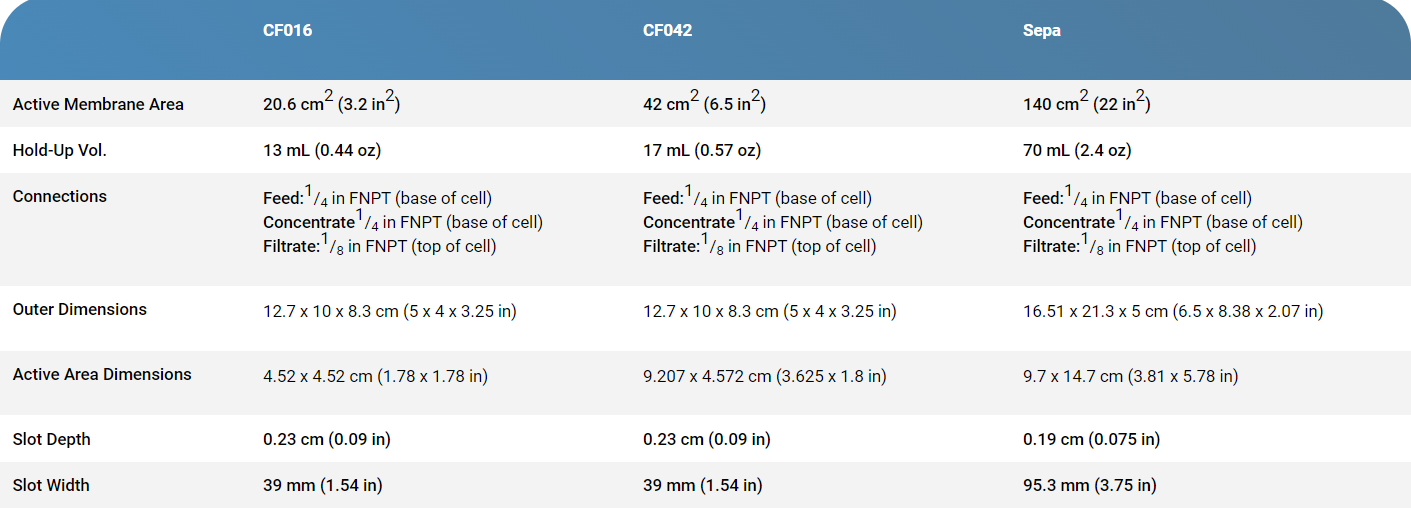
Q: I have noticed that the flat sheet membranes come in sizes described as CF016, CF042, and Sepa CF. What are these sizes?
Q: What is the application of shims?
During high-pressure filtration processes, the membrane sheet inside the cell may deflect outwards into the feed channel. This occurs due to variations in pressure during operation. This movement can cause rubbing against O-rings which can result in abrasion, possibility rupture, in the membrane sheet. Therefore, a piece of material (shim) can also be placed between the membrane layer and the test cell to take up the free space and help to prevent movement.
For more information on shims incorporated into our test cells, please visit here.
