
Recycling Laboratory Plastics: A New Approach to Contaminated Waste
· Microbiology and Life Science News
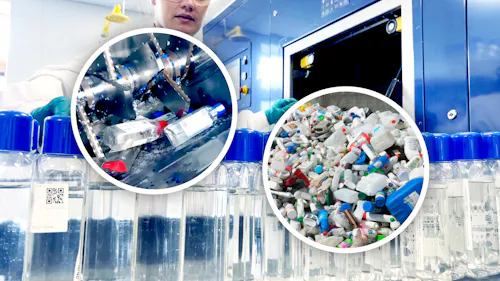
Single-use plastics support safe, accurate laboratory testing, but potential microbiological contamination can make it difficult to recycle after use. Materials that could otherwise be recovered may instead require treatment followed by incineration or landfill disposal.
Scottish Water’s adoption of Envetec’s GENERATIONS® technology offers an example of how laboratories can address this challenge. The approach treats contaminated laboratory plastics on site, preparing them for recycling while maintaining the testing practices that depend on disposable materials.
Consider: Single-use plastics are widely used in laboratory testing, but their disposal presents an ongoing waste management challenge. While many laboratory plastics are made from recyclable polymers, potential biological contamination can prevent them from entering conventional recycling streams.
A recent initiative by Scottish Water demonstrates how on-site waste treatment may help address this limitation. By adopting Envetec's GENERATIONS® technology, the utility is exploring ways to prepare laboratory plastics for recycling that would otherwise require alternative disposal methods.
Expanding Recycling Beyond Sample Bottles
In its August 2026 announcement, Scottish Water reported processing approximately 72,000 sample bottles since January. The utility conducts around three million analytical tests annually to support water quality, public health, and environmental protection.
Although Scottish Water already recycled uncontaminated bottles, it is extending the technology to laboratory plastic waste, including microbiological plastics such as petri dishes and pipette tips. These waste streams previously required autoclaving before landfill disposal or incineration.
Treating Waste Before Material Recovery
GENERATIONS combines chemical disinfection and shredding to produce material suitable for recycling. The system also records waste volumes, polymer types, laboratory sources, and downstream pathways, supporting traceability and reporting.
For laboratory managers, this distinction matters: treating waste and recovering material are separate parts of the process. A recycling program must account for both the condition of the waste leaving the laboratory and the requirements of the facility receiving it.
Laboratory Waste Management: Opportunities for Environmental Testing Labs
The Scottish Water project illustrates an opportunity to evaluate sustainability across the full testing workflow, including what happens to consumables after analysis.
For laboratories considering similar approaches, a useful starting point is understanding their own waste streams:
- Which disposable materials account for the greatest waste volume?
- Which plastics already have an accepted recycling pathway?
- Where does contamination prevent material recovery?
- What treatment and downstream processing would be needed?
- What records would demonstrate that material was actually recovered?
These questions can help laboratories identify practical opportunities and distinguish potential recyclability from documented recycling.
Connecting Analytical Quality and Waste Management
For environmental testing laboratories, protecting water quality and managing laboratory waste are connected responsibilities. This project suggests that improvements in waste handling can complement established analytical practices.
The broader opportunity for sustainable laboratory practices is to consider disposal and recovery alongside consumable selection and use. As treatment options develop, laboratories can evaluate whether selected waste streams have a viable route back into material use, supported by appropriate treatment, traceability, and downstream acceptance.