
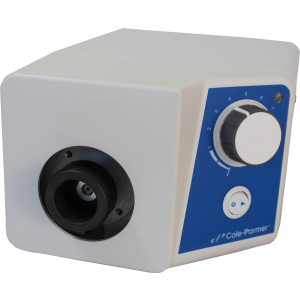
Micropump A Mount Gear Pump with Console Drive, 220 V, PEEK Gears/PTFE seals, 80 PSI, 0.84 GPM
Micropump A Mount Gear Pump with Console Drive, 230 V, PEEK Gears/PTFE seals, Max. Delivery Pressure: 80 PSI, 0.84 GPM (3.2 LPM). Includes: Gear Pump, pump head, 2 polypropylene fittings (1/8" NPT x 3/8" Tube), and 20 feet of 3/8" nylon tubing.
 Powered by Bioz
Specifications by Material:
| Product Family | Innovator | Explorer | Developer | |||||||||
|
|
|
|
|
|
|
|
|
|
|
|
|
|
|---|---|---|---|---|---|---|---|---|---|---|---|---|
|
Material |
Acetal (Delrin) |
316 Stainless Steel |
Virgin PTFE |
Acrylic |
Acetal (Delrin) |
316 Stainless Steel |
Virgin PTFE |
Acrylic |
Hastelloy™ |
316 Stainless Steel |
Acrylic |
Hastelloy™ |
|
Maximum Bolts Torque Setting (in-lbs) |
60 |
NA |
15 |
45 |
60 |
NA |
15 |
45 |
70 |
NA |
45 |
70 |
|
Maximum Fittings Torque Setting (in-lbs) |
25 |
25 |
25 |
25 |
25 |
25 |
25 |
25 |
25 |
25 |
25 |
25 |
|
Max Pressure |
69 bar |
69 bar |
27.6 bar |
27.6 bar |
69 bar |
69 bar |
27.6 bar |
27.6 bar |
69 bar |
69 bar |
15.2 bar |
69 bar |
|
Max Temperature |
82°C |
150°C |
260°C |
88°C |
82°C |
150°C |
260°C |
88°C |
150°C |
150°C |
88°C |
150°C |
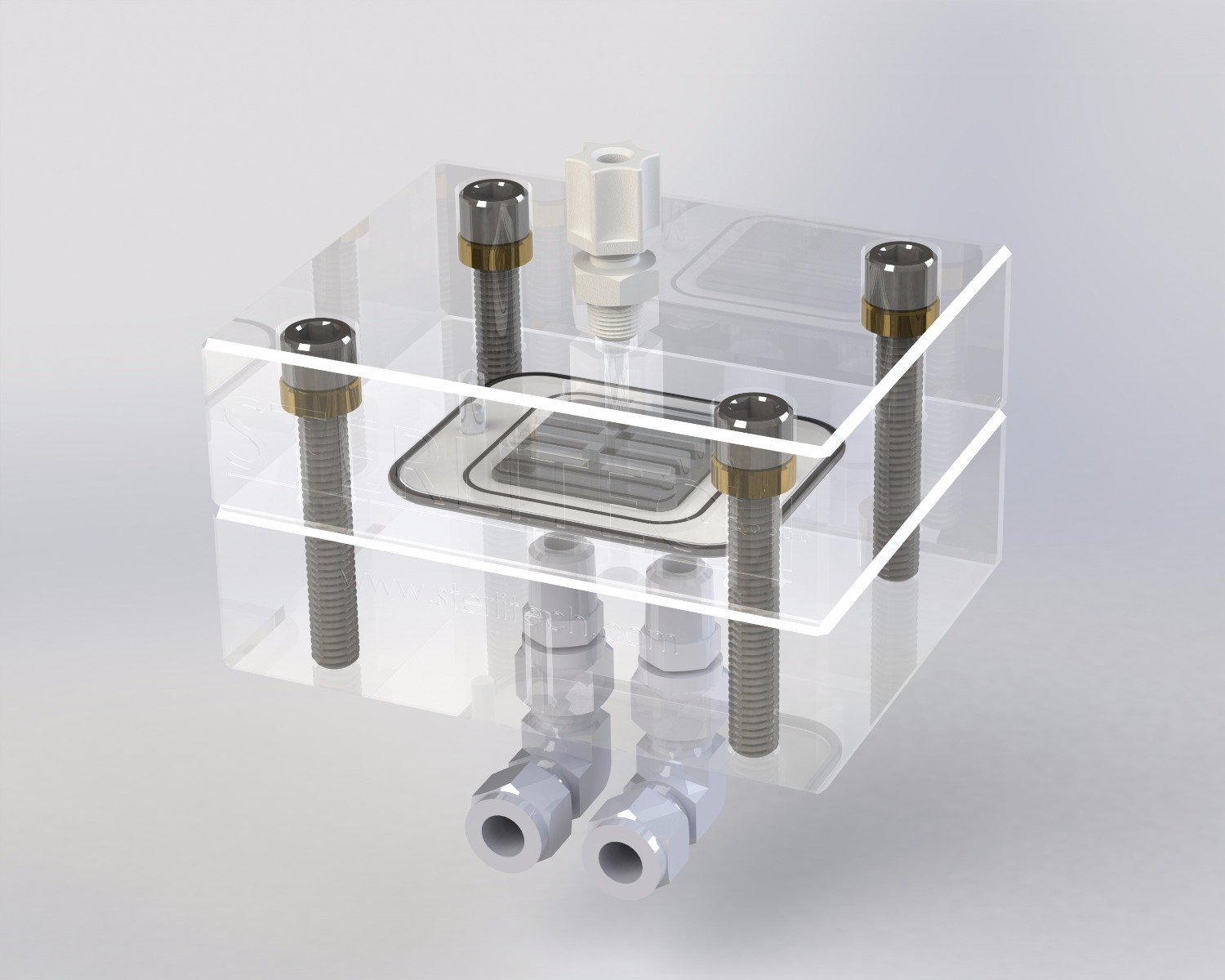
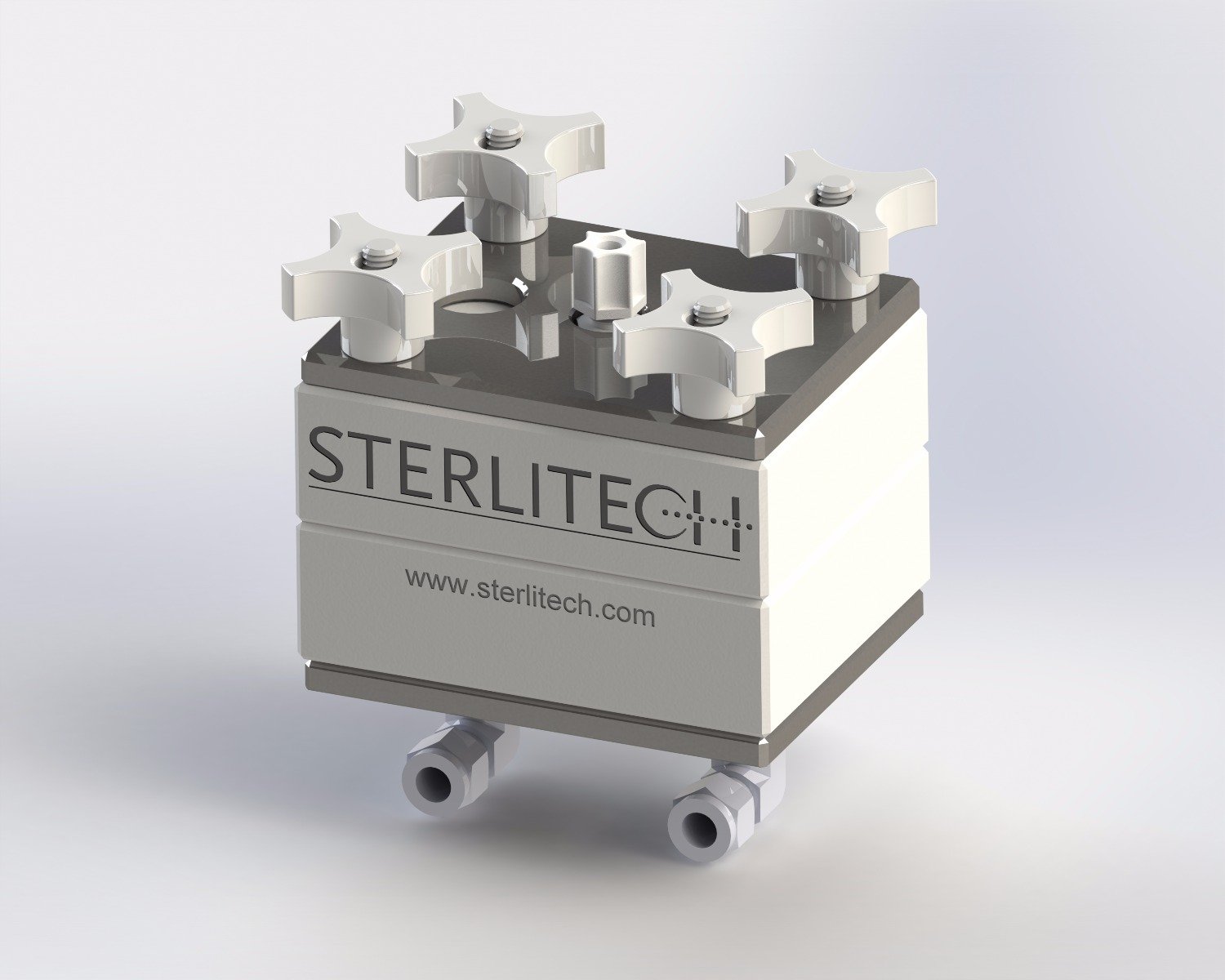
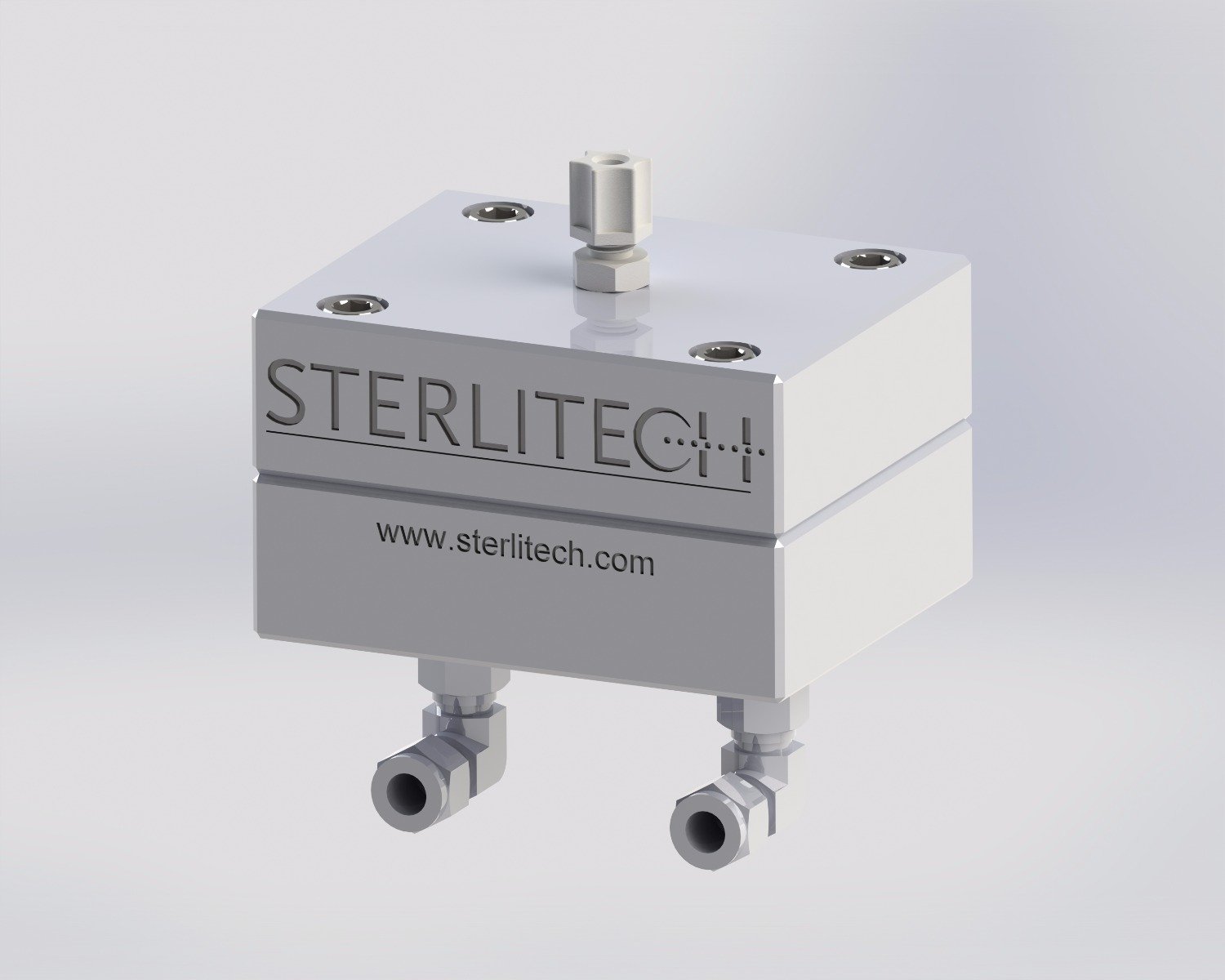
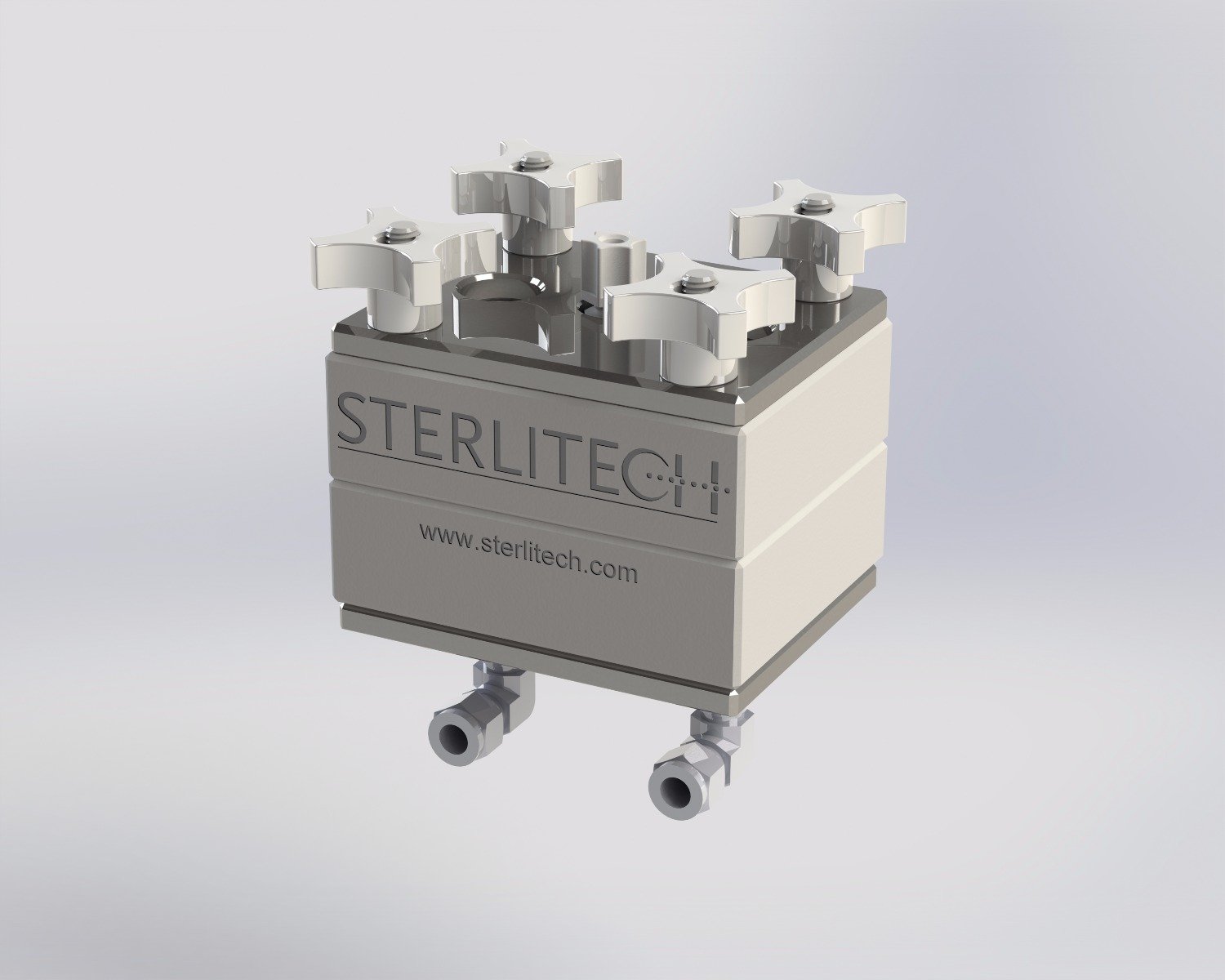
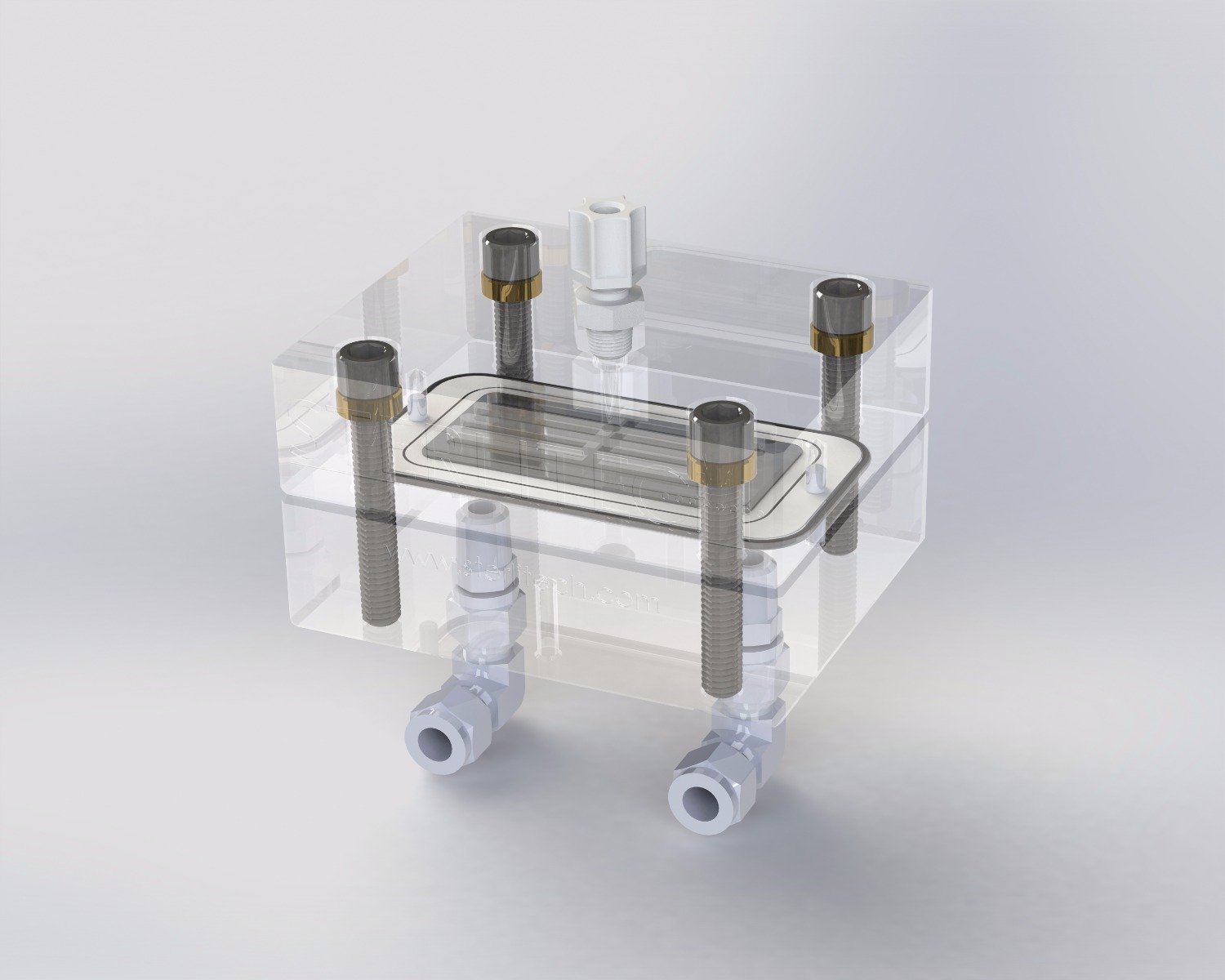
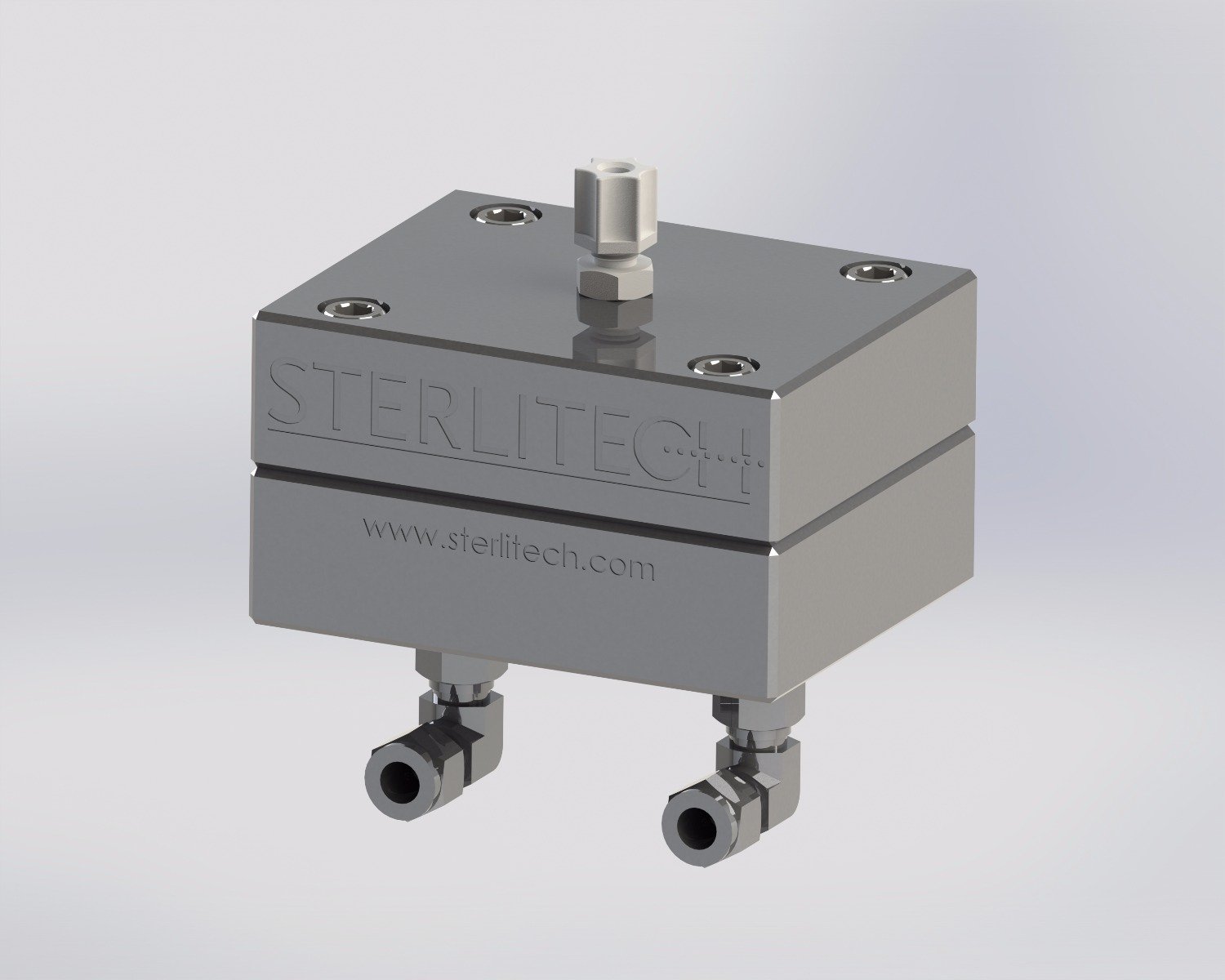
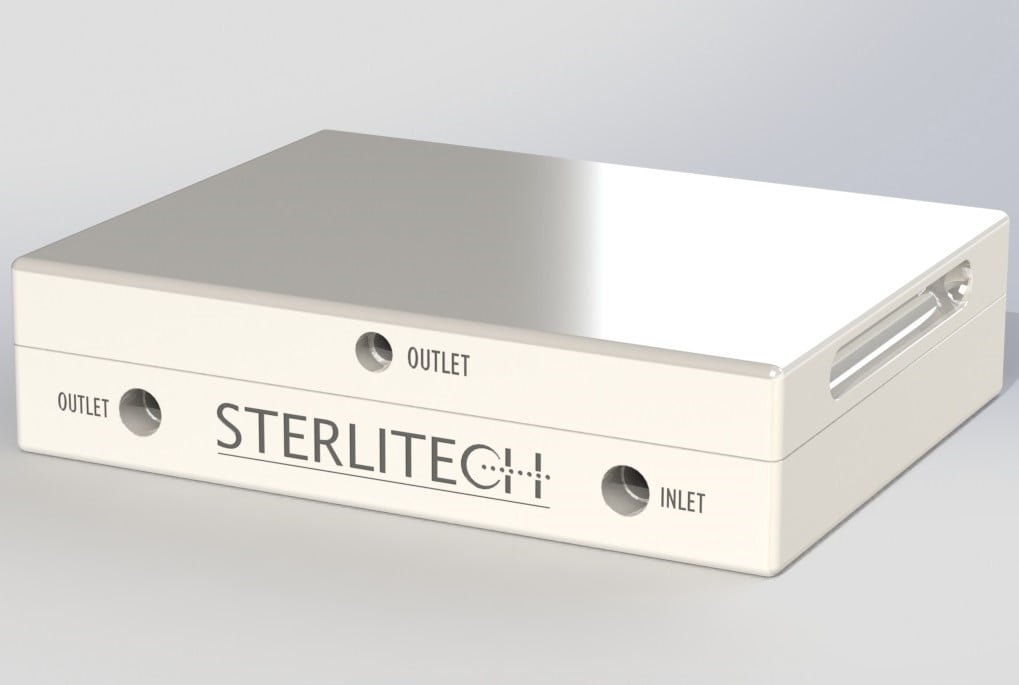
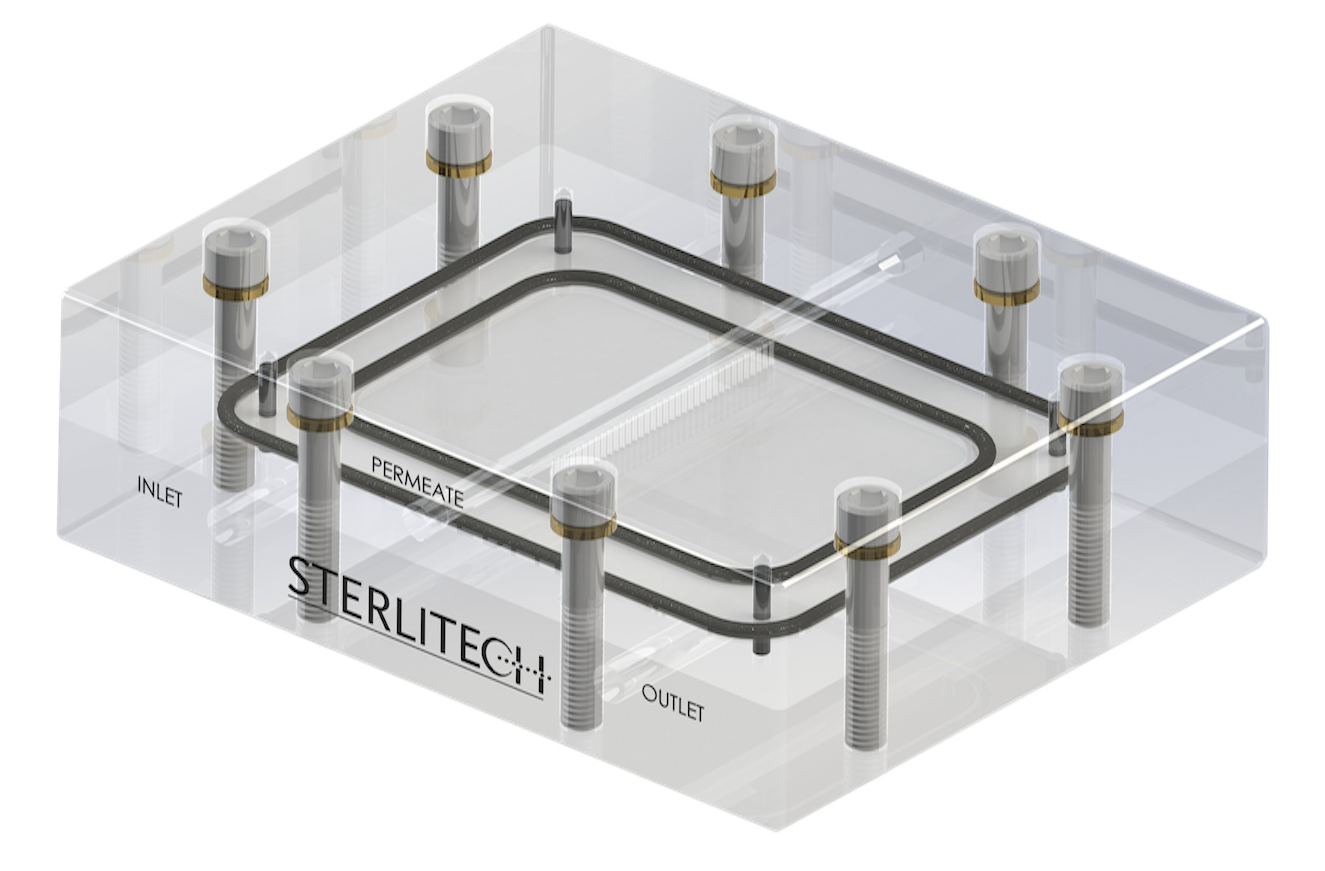
General FO Cell Specifications:
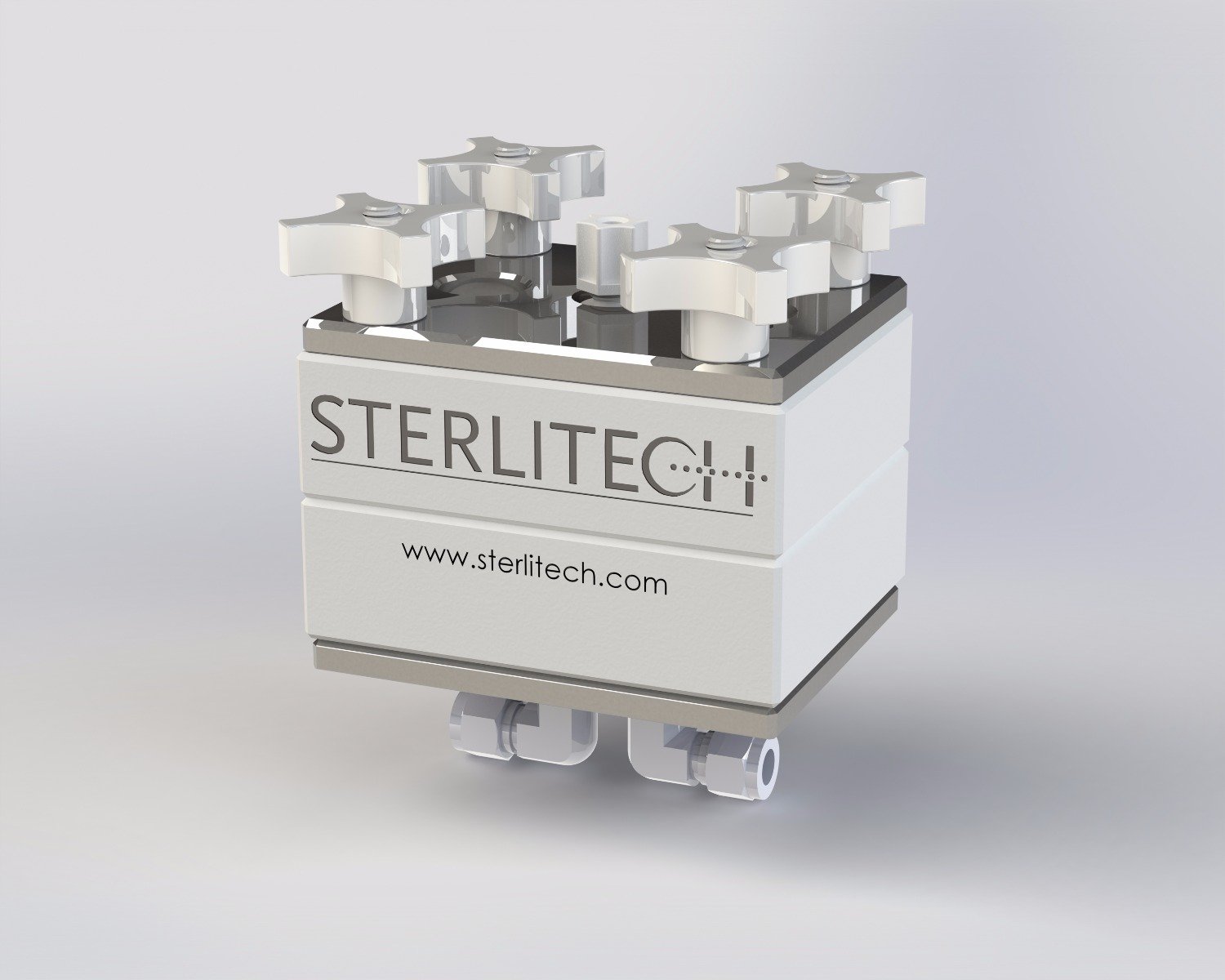
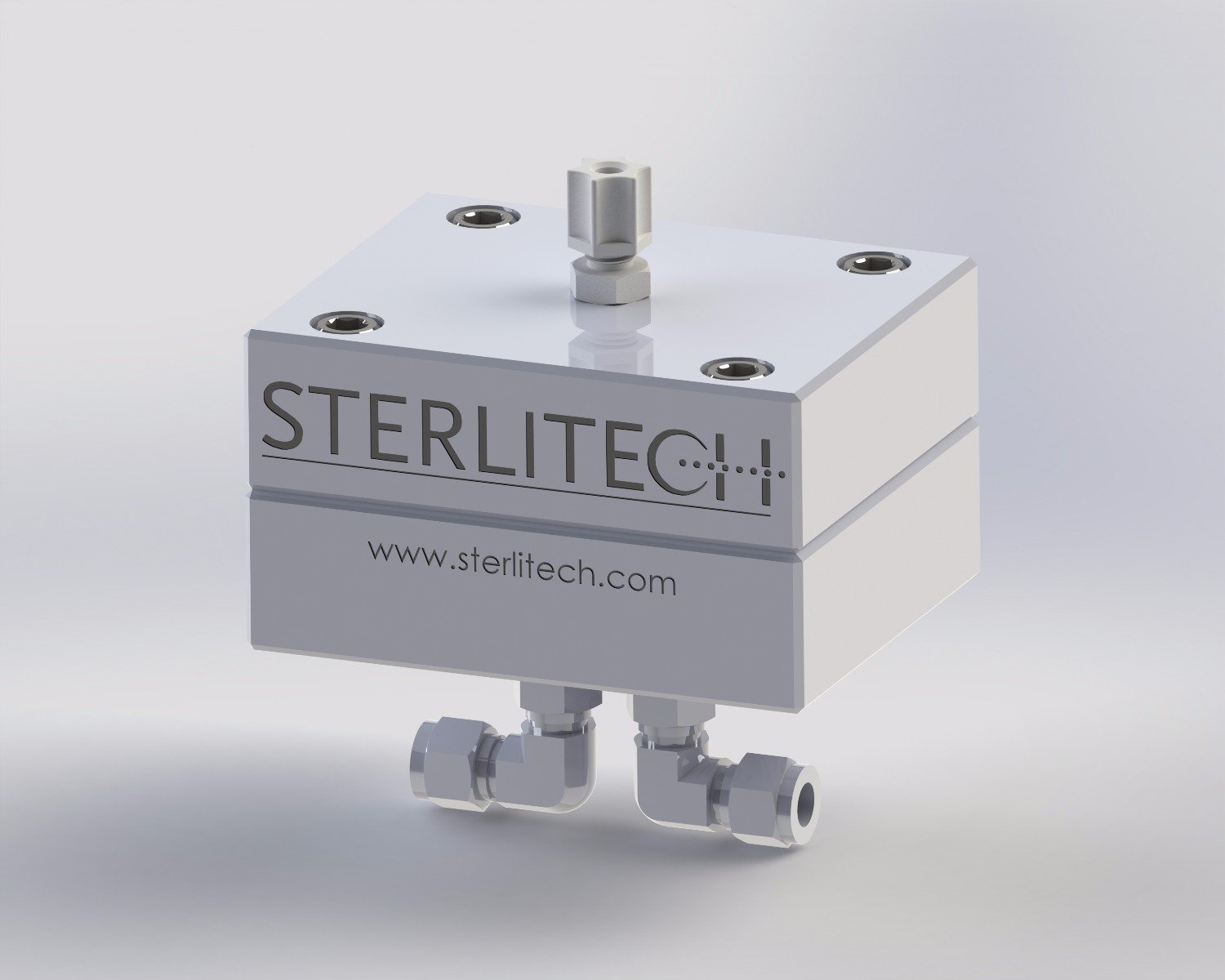
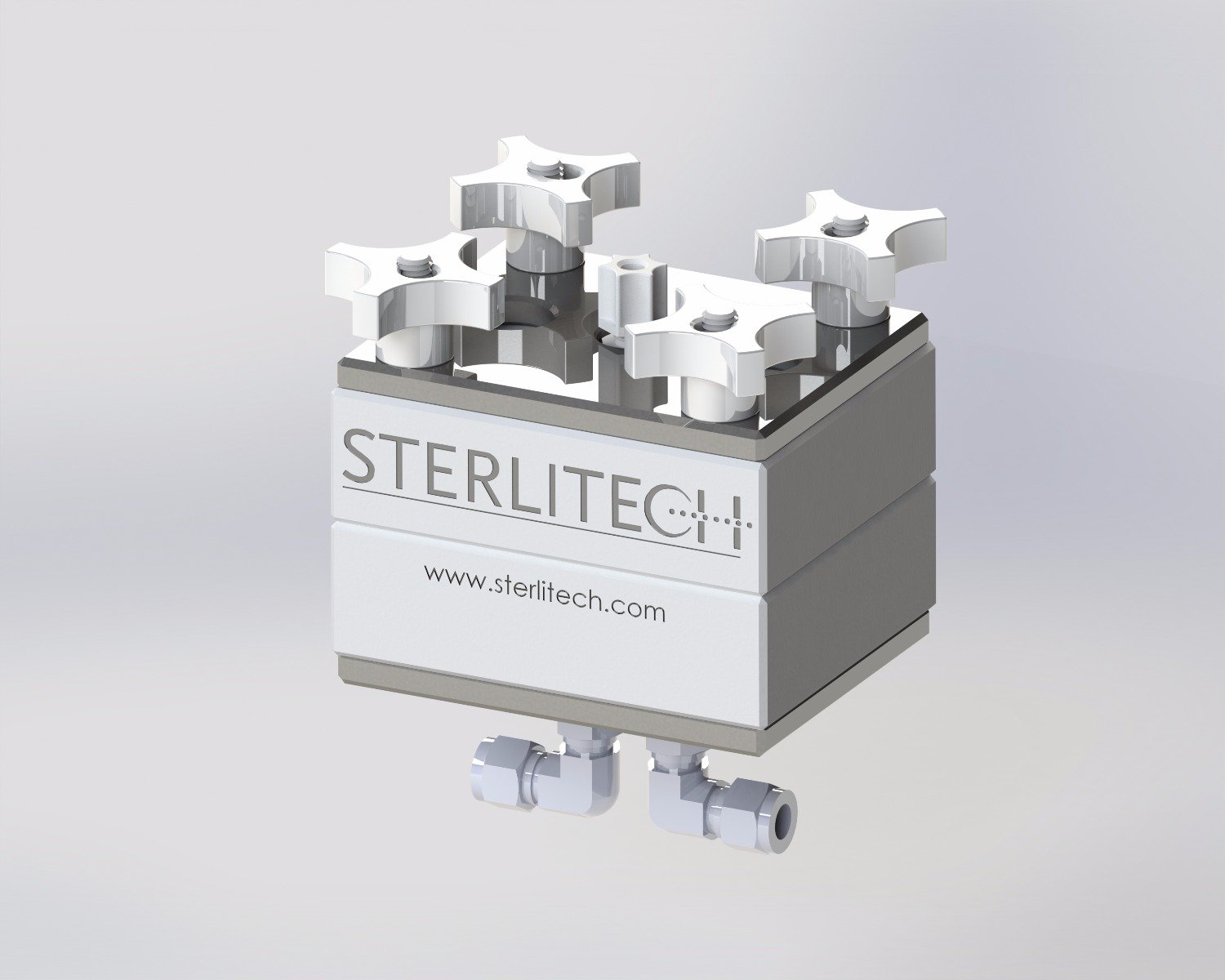
| CF016-FO | CF042-FO | Sepa FO | |
|---|---|---|---|
| Active Membrane Area | 20.6 cm2 (3.2 in2) | 42 cm2 (6.5 in2) | 140 cm2 (22 in2) |
| Hold-Up Vol. | 13 mL (0.44 oz) | 17 mL (0.57 oz) | 70 mL (2.4 oz) |
Connections |
Feed:1/4 in FNPT (base of cell) Draw Solute:1/4 in FNPT (top of cell) |
Feed:1/4 in FNPT (base of cell) Draw Solute:1/4 in FNPT (top of cell) |
Feed:1/4 in FNPT (base of cell) Draw Solute:1/4 in FNPT (top of cell) |
| Outer Dimensions | 12.7 x 10 x 8.3 cm (5 x 4 x 3.25 in) | 12.7 x 10 x 8.3 cm (5 x 4 x 3.25 in) | 16.51 x 21.3 x 5 cm (6.5 x 8.38 x 2.07 in) |
| Active Area Dimensions | 4.52 x 4.52 cm (1.78 x 1.78 in) | 9.207 x 4.572 cm (3.625 x 1.8 in) | 9.7 x 14.7 cm (3.81 x 5.78 in) |
| Slot Depth | 0.23 cm (0.09 in) | 0.23 cm (0.09 in) | 0.19 cm (0.075 in) |
Animation
Here is an animation showing how FO systems typically operate:
Applications
- Concentration of biological media for the recovery of antibodies, enzymes, proteins, etc.
- Water rendered apyrogenic
- Diafiltration
- Separation or clarification of molecules of very distinct sizes
- Cell recovery and washing for the concentration of viruses, bacteria, yeasts and animal cells
- Purification of protein solutions
- Elimination of cell fermentation and culture metabolites by continuous fermentation to improve yields and optimise culture cycles
- Dialysis/desalination of fragile proteins by low-pressure operations (< 1 bar)
- Organic Solvent Nanofiltration (OSN)
- Wide range of feasibility studies in chemistry, waste treatment, etc.

Check out other related products below!
 Frequently Asked Questions
Q: Why is the flat sheet membrane I'm using measuring a flux value less than the published flux value?
Flow characteristics for a spiral element and flat sheet membrane are significantly different and are really only comparable on a qualitative basis. Variability in the membrane manufacturing process, differences in water composition, test procedures, and test equipment, used in a factory, laboratory, or elsewhere, will impact water flux results.
Reference: Understanding Variation of Experimental Flux and Rejection
Q: What is the recommended flow rate for the CF cells?
lease refer to the following diagram to examine recommended feed flow rates for the crossflow cell you are working with.
Q: How do I store used forward osmosis (FO) flat sheet membranes?
Q: What is the application of feed spacer?
Feed spacers are used to mimic the hydrodynamic conditions of large-scale membrane modules by changing the flow regime and creating turbulence inside the feed channel of our membrane test cells.
For more information on feed spacers incorporated into our test cells, please visit here.
